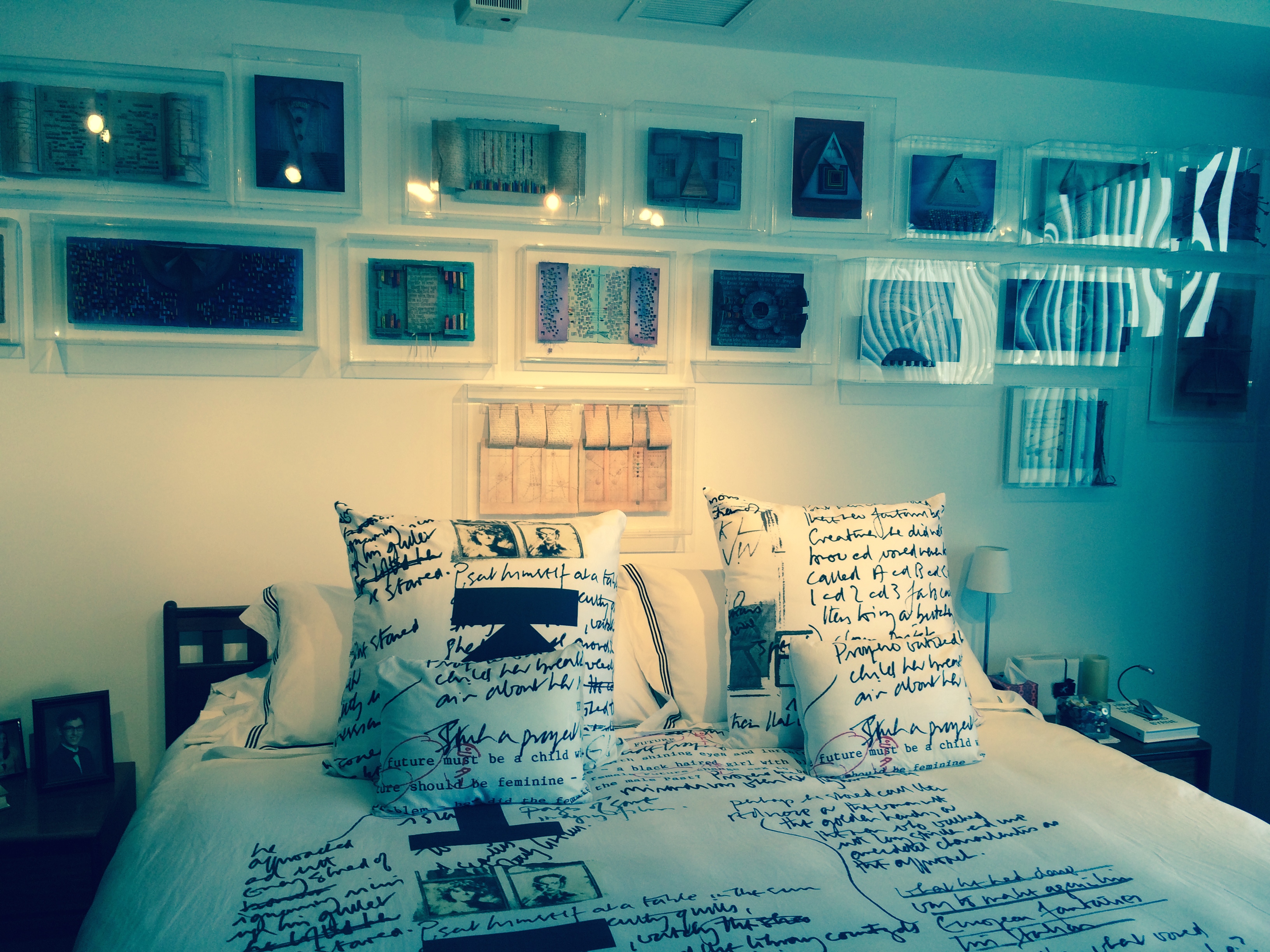
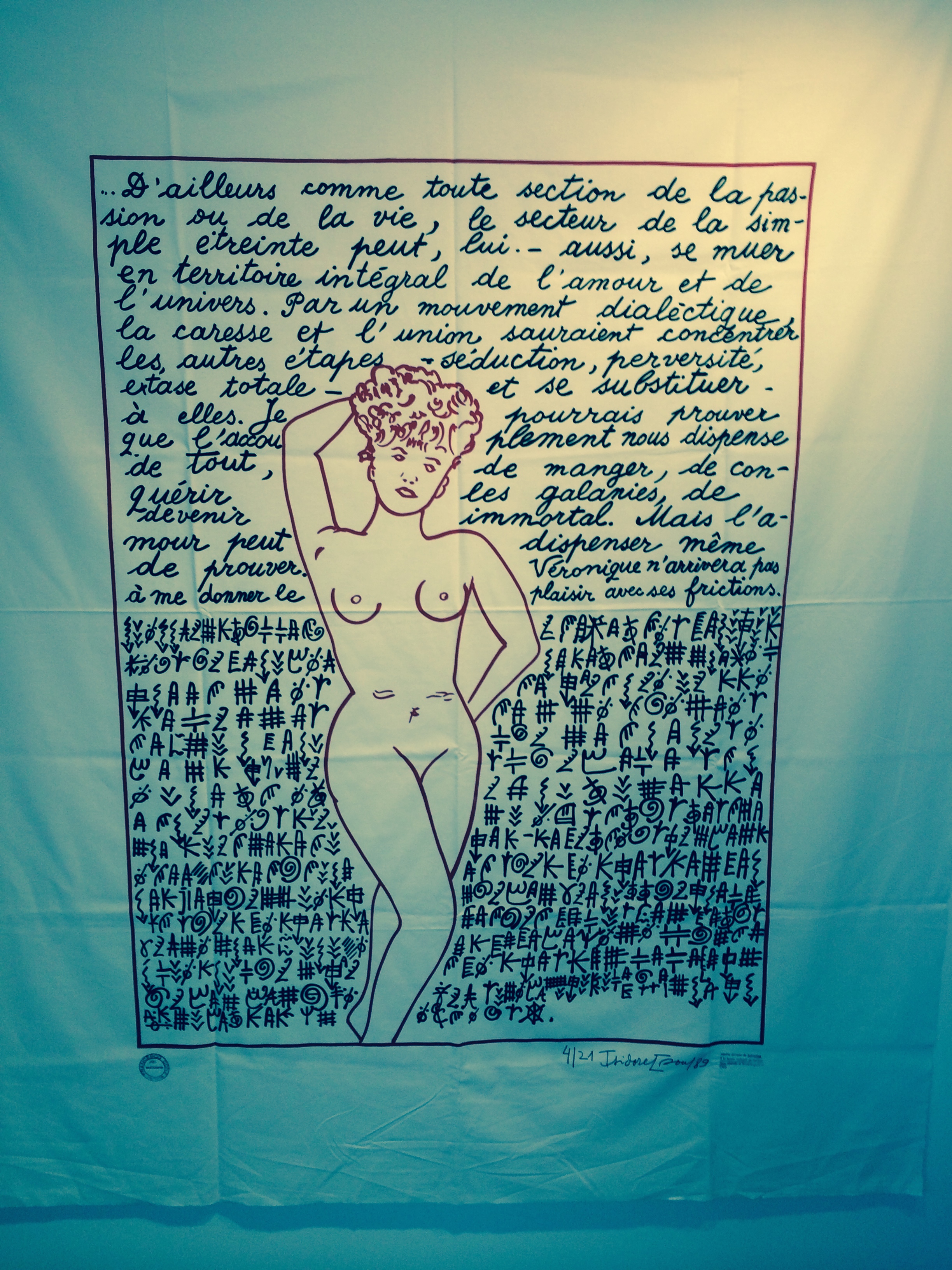
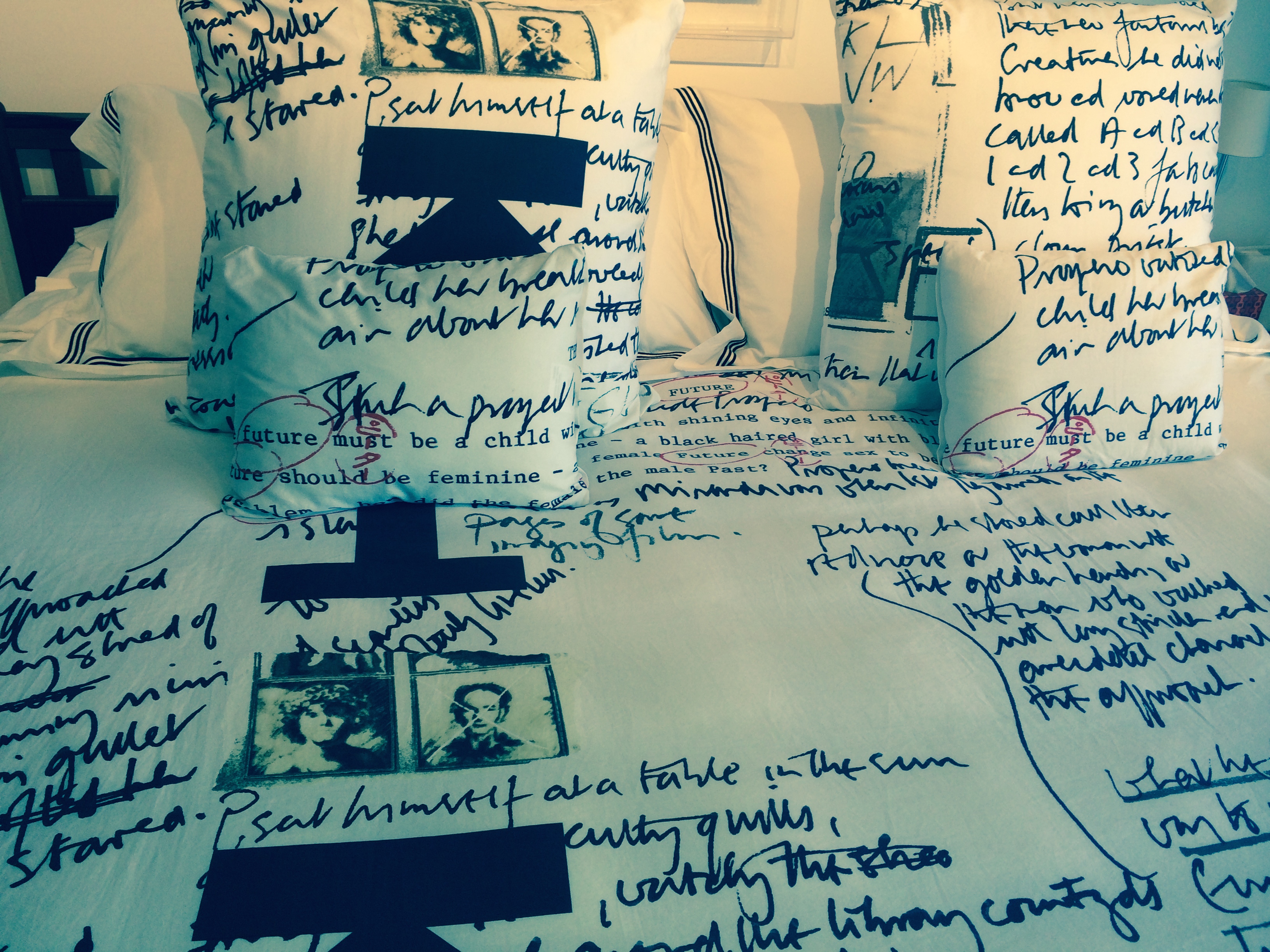
Sackner Archive: Cloth Wall Hanging by Isidore Isou
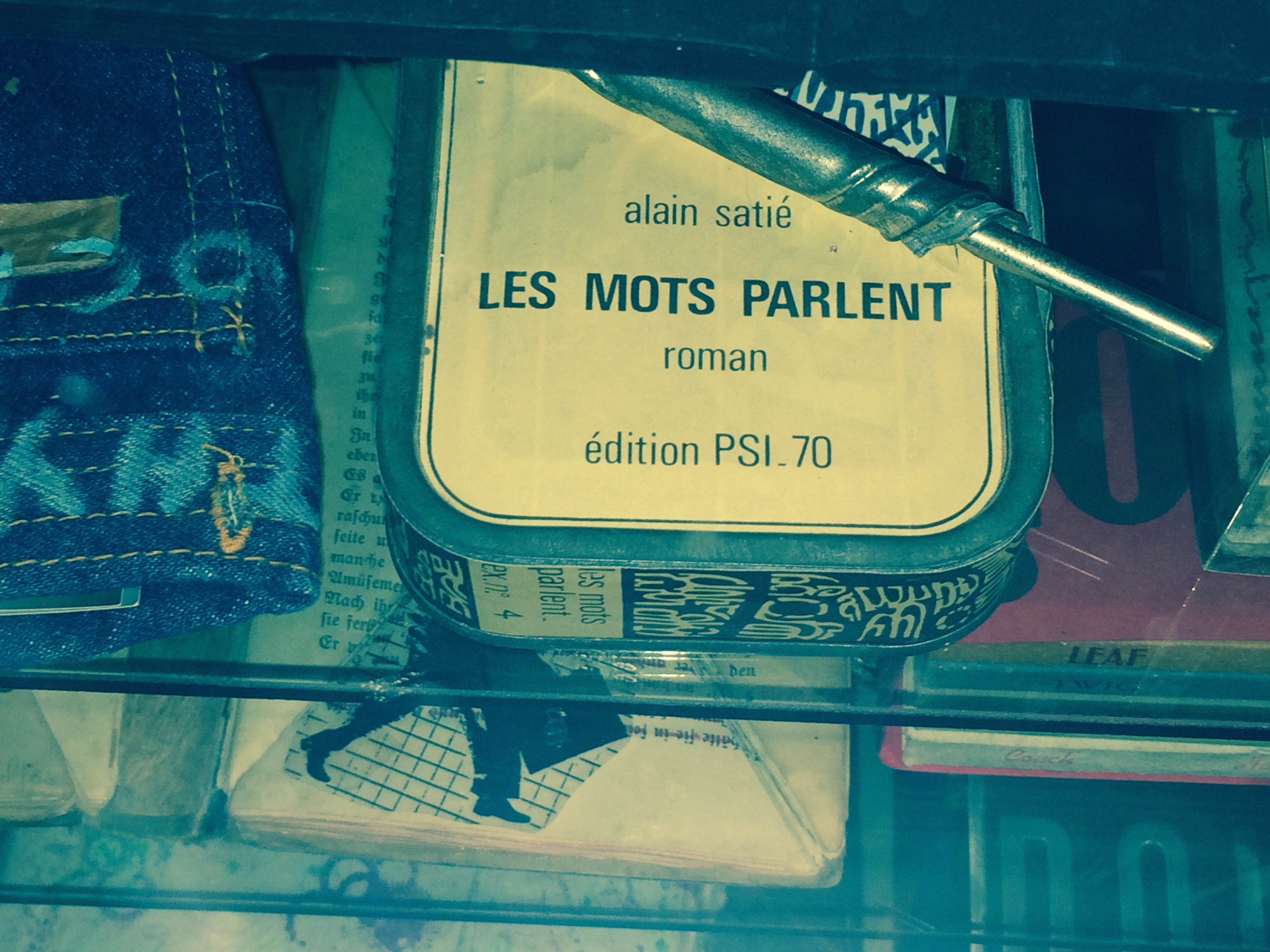
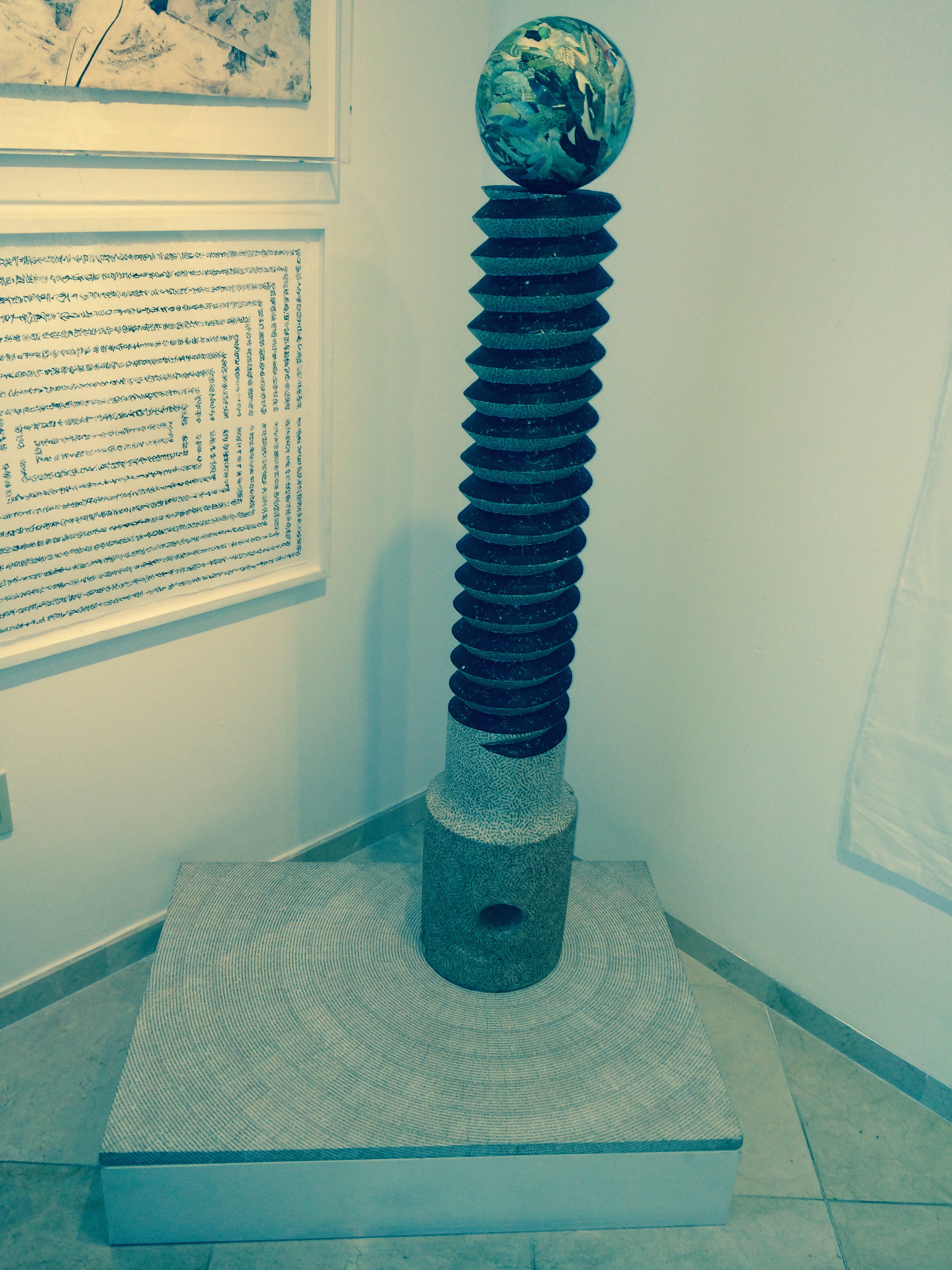
Photographed in Miami in 2014. With thanks to Ruth and Marvin Sackner.

Sep 10
Photographed in Miami in 2014. With thanks to Ruth and Marvin Sackner.
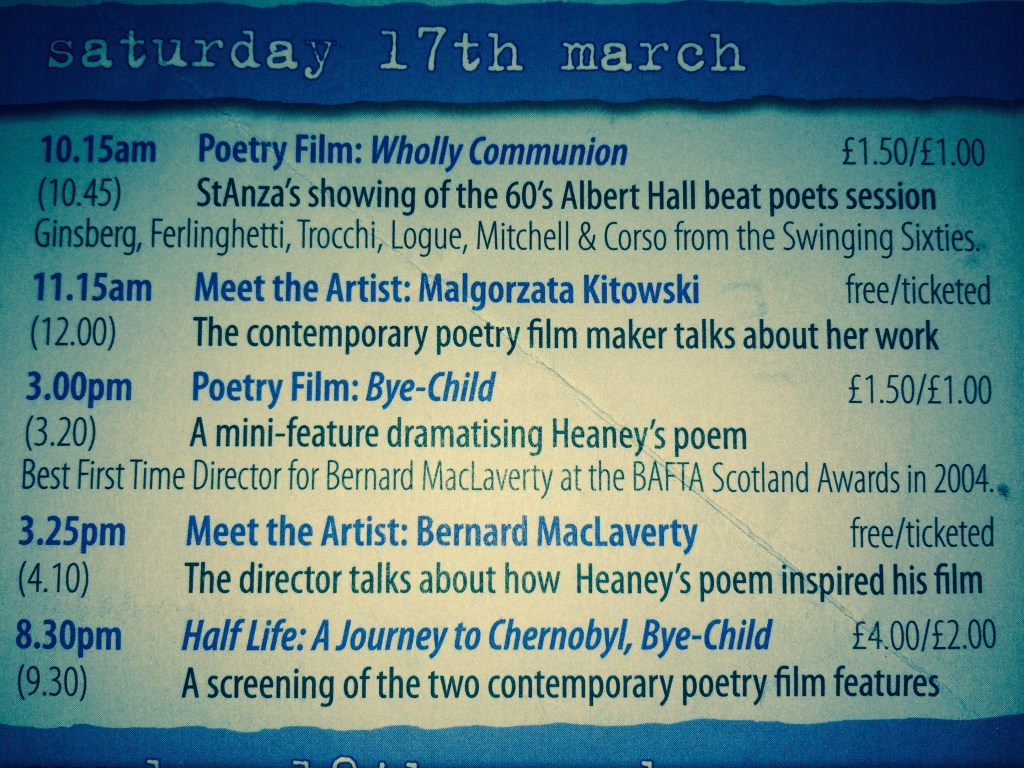
Detail from the StAnza programme in March 2007 where I gave a “Meet the Artist” session.
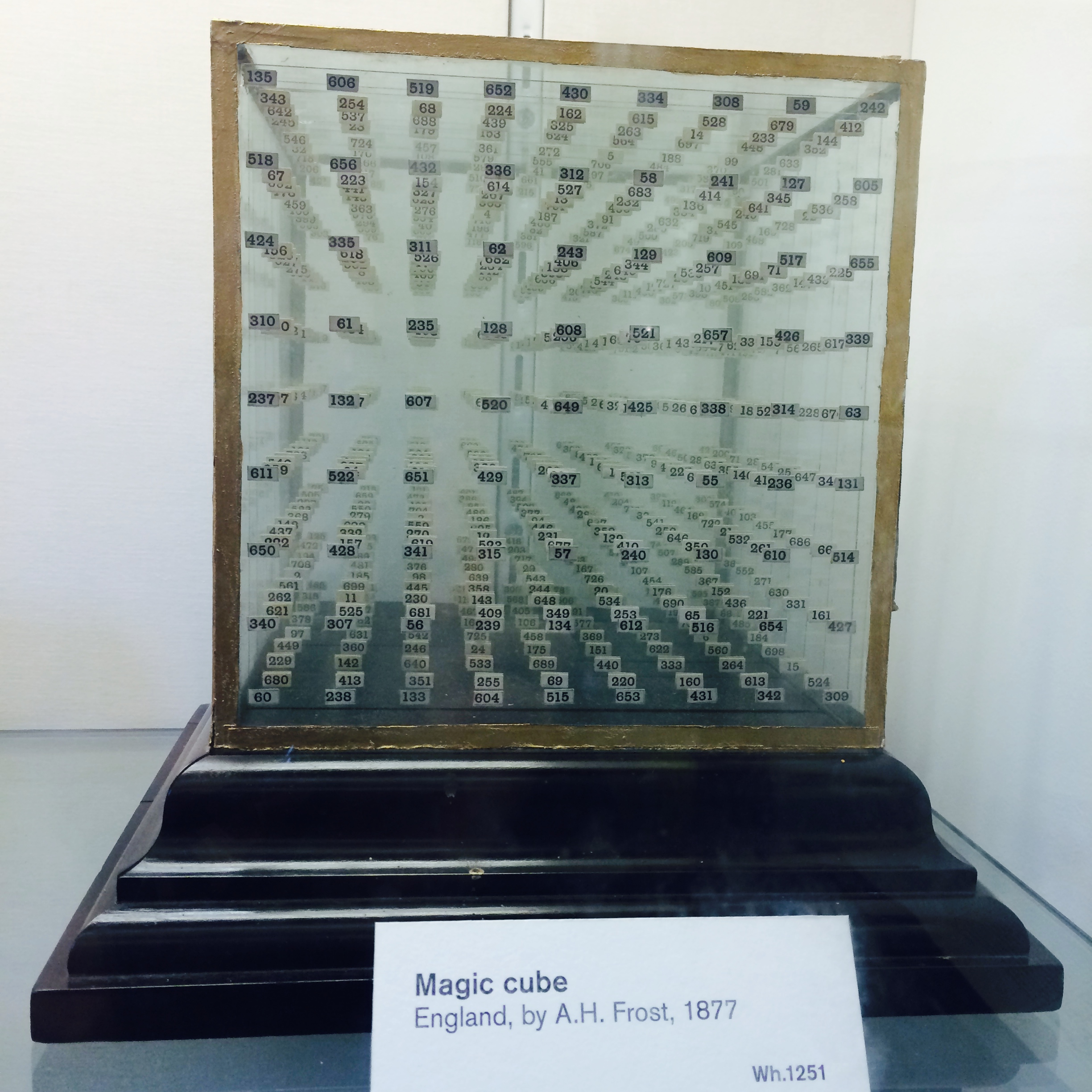
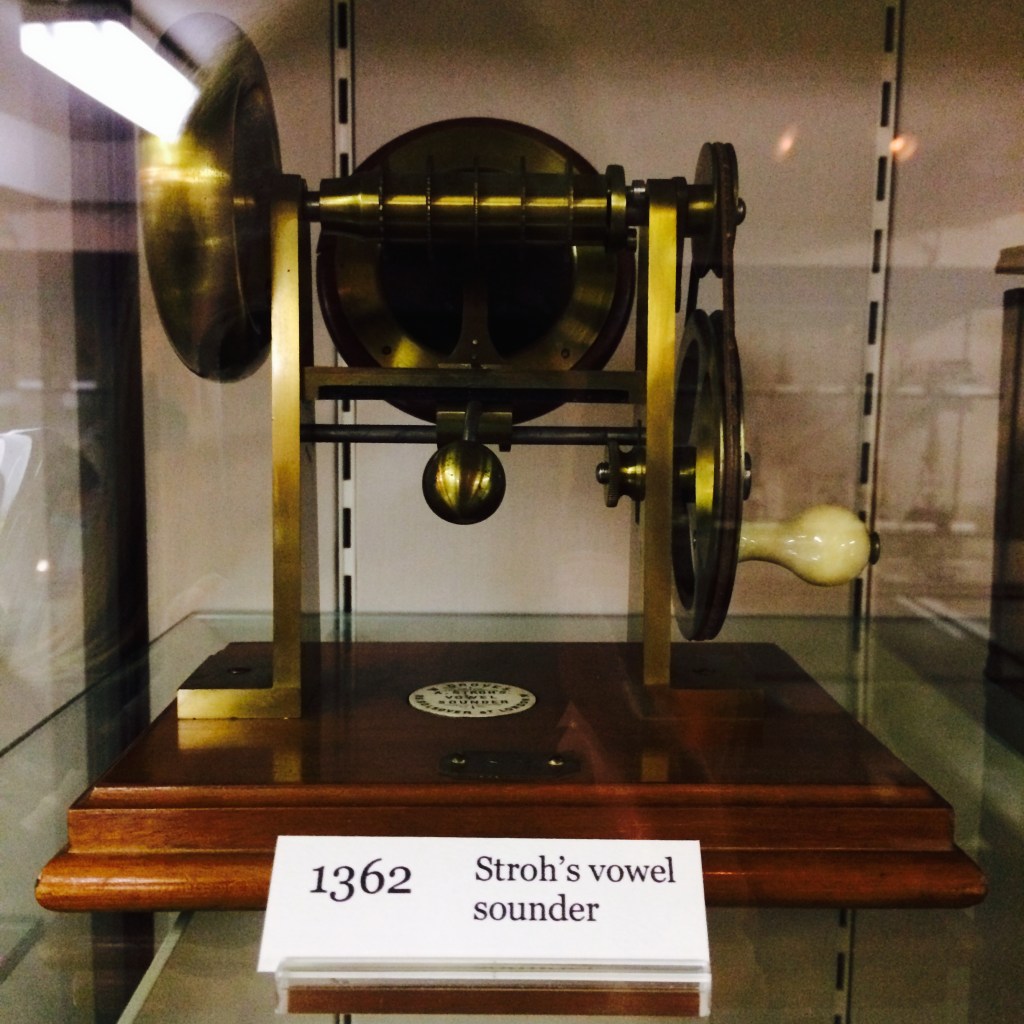
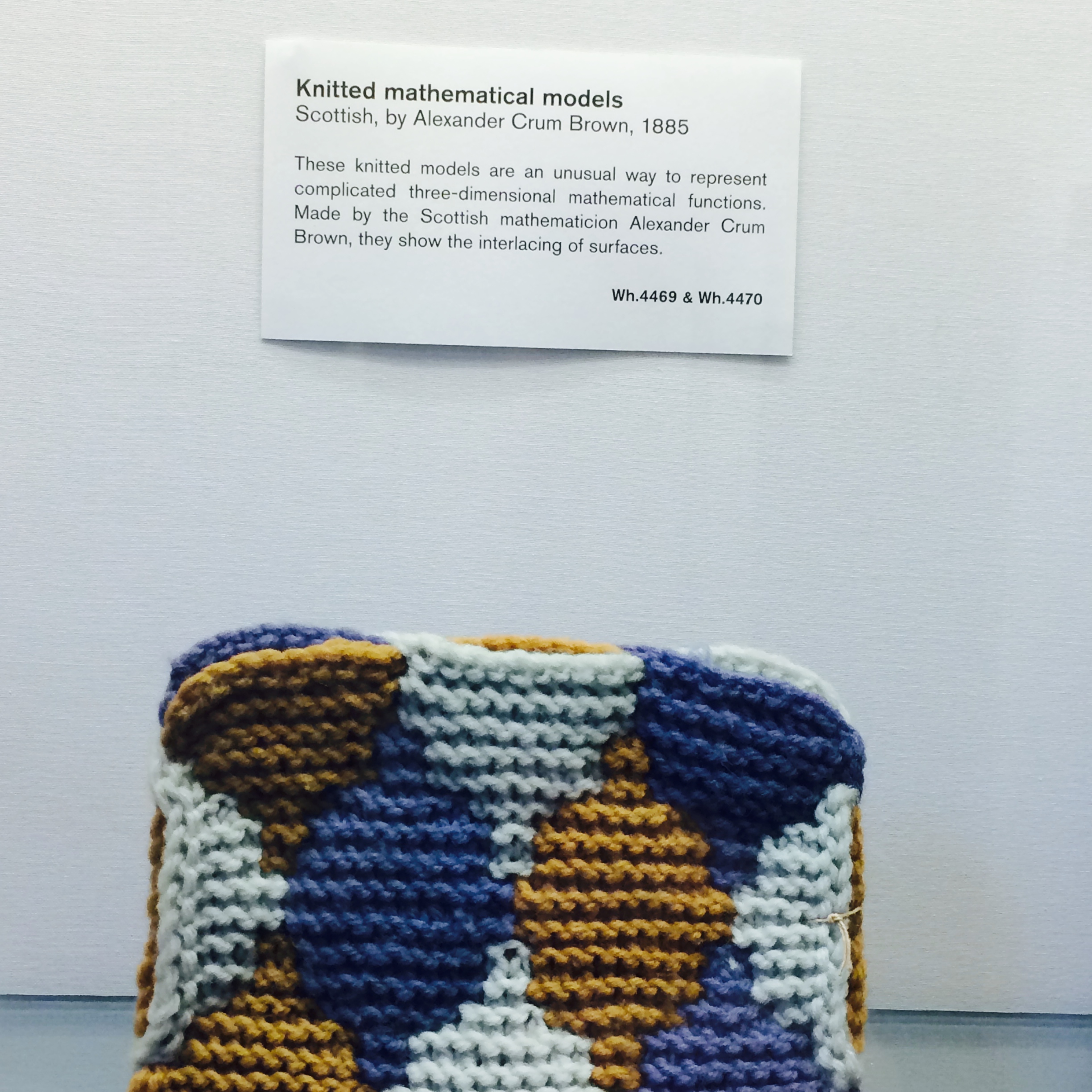
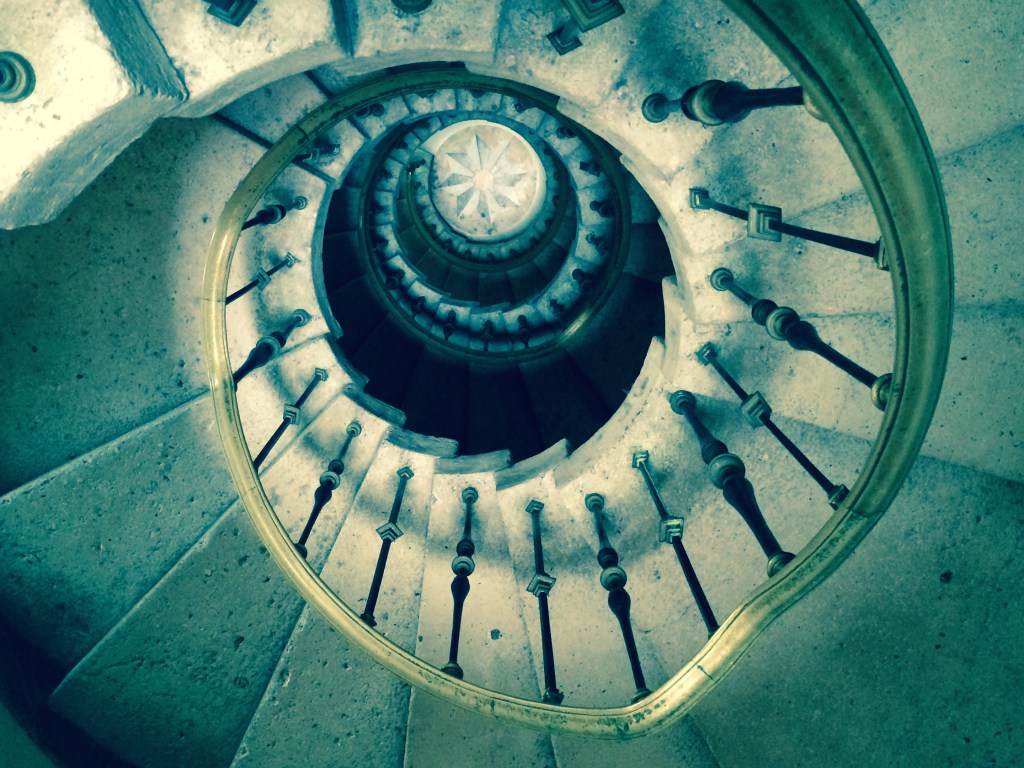
Photograph taken at the Whipple Museum of the History of Science in Cambridge.
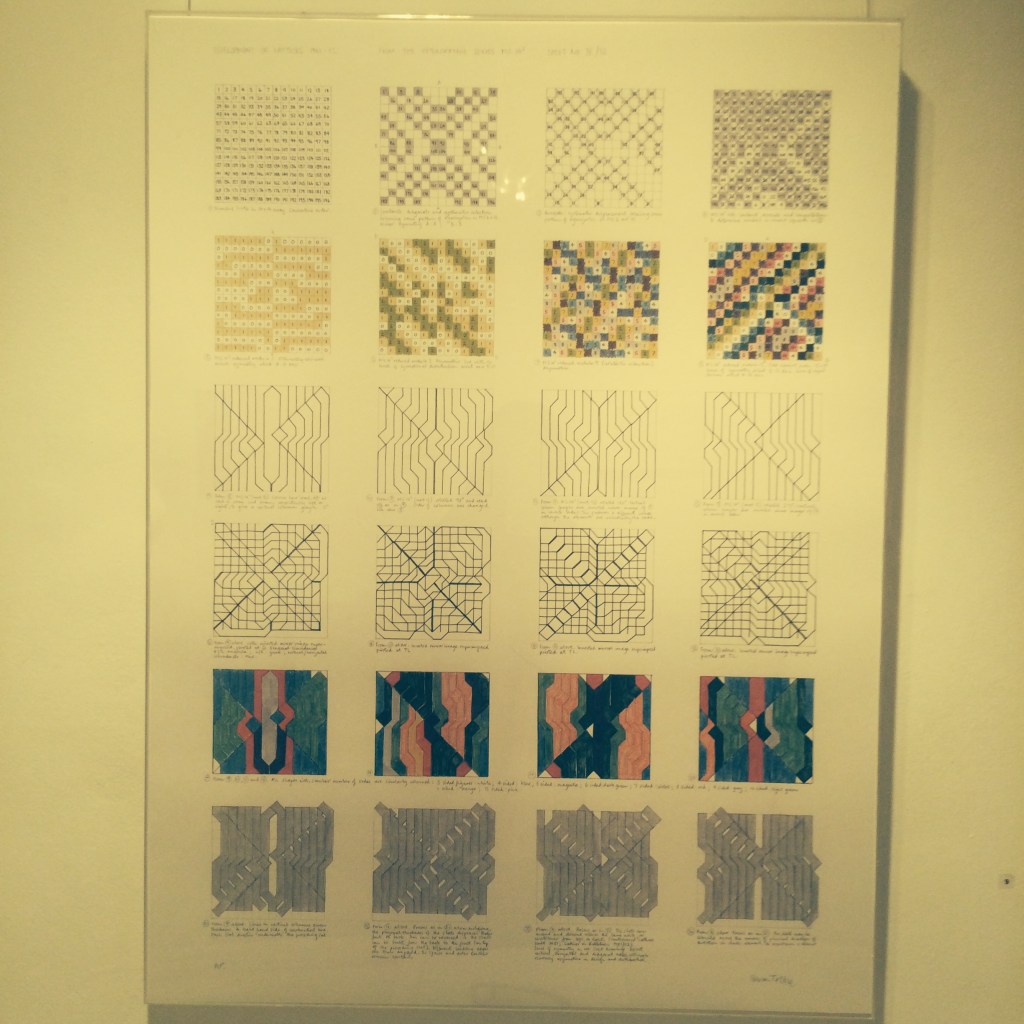
Susan Tebby, Development of Lattices, from the Interchange Series MS 142 Sheet No.IV, 1981-82, giclée print on archival paper, 80, x 60, Edition of 15.
Photograph taken at the Automatic Art: human and machine processes that make art show at GV Art in September 2014.
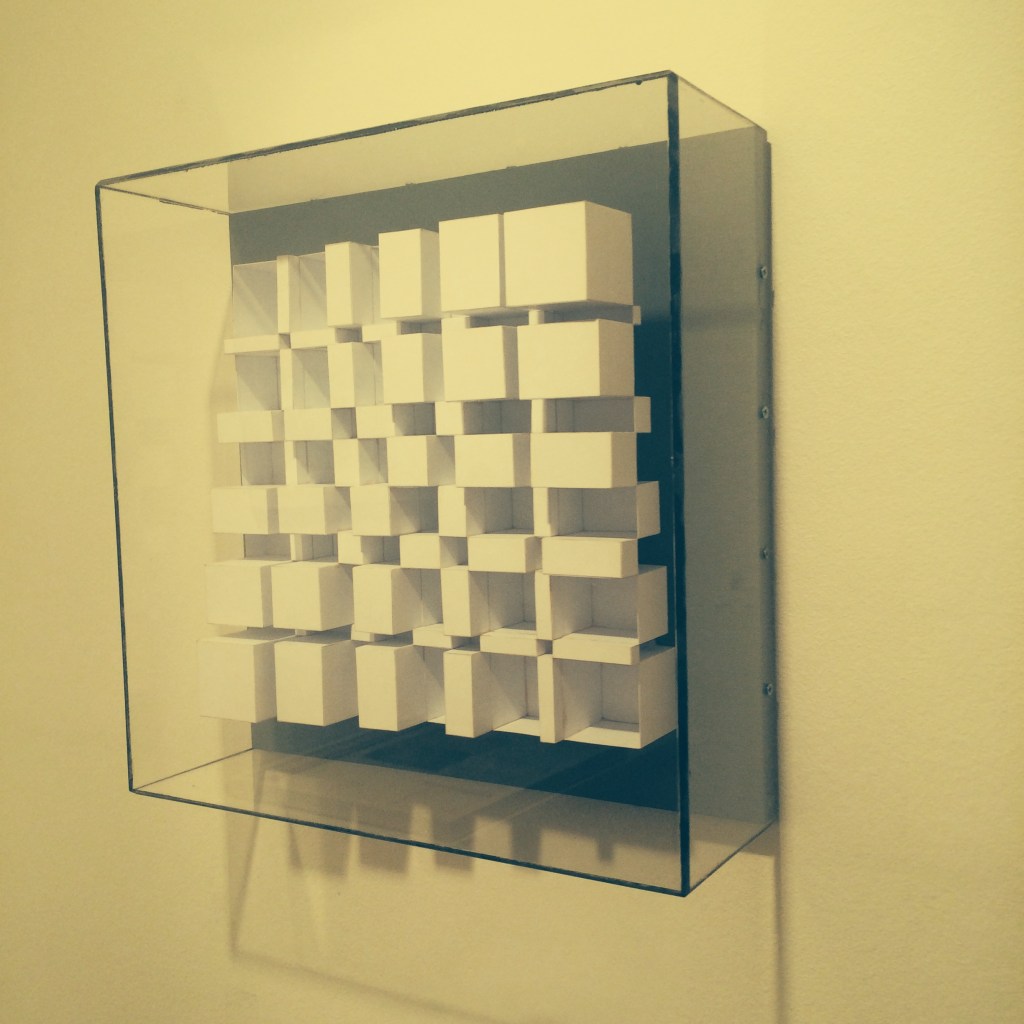
Steve Sproates, untitled, 2007, card, Perspex and wood, 30 x 30 x 10.
Photograph taken at the Automatic Art: human and machine processes that make art show at GV Art in September 2014.
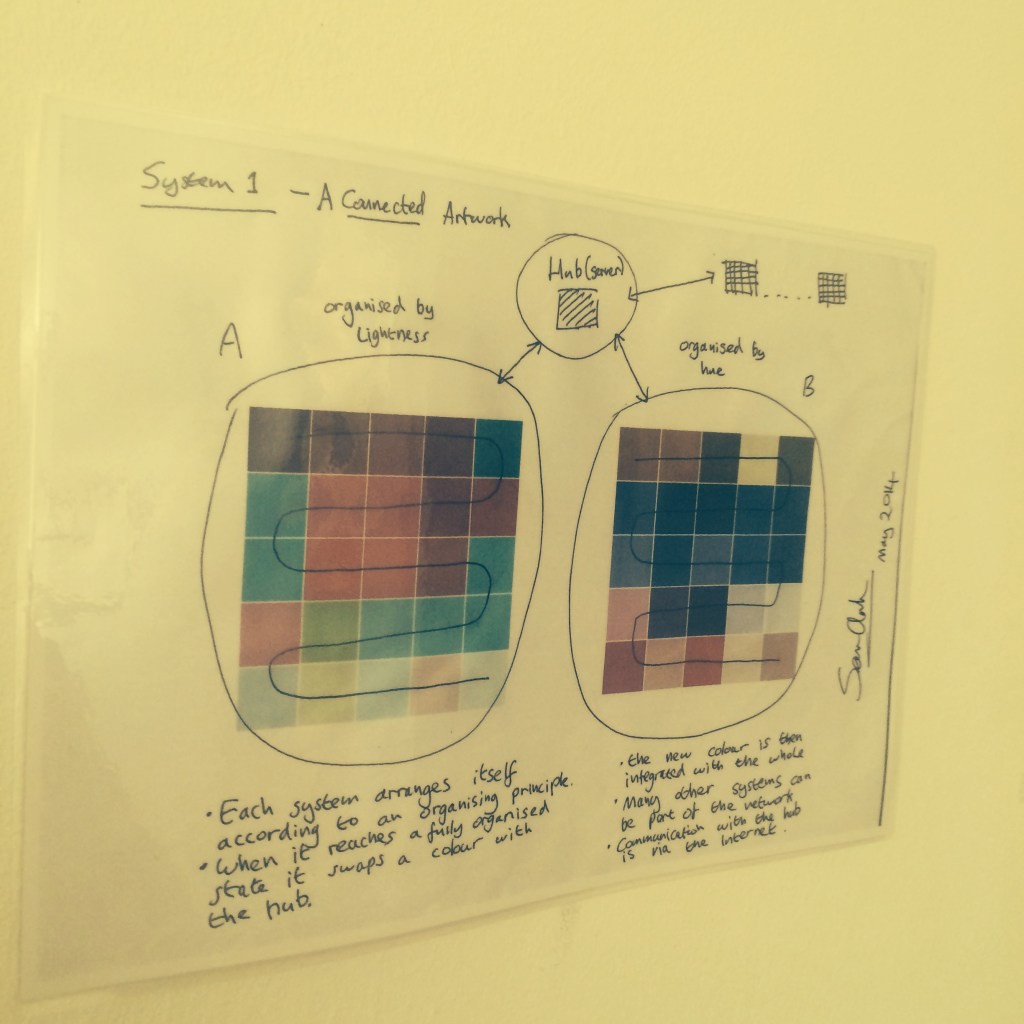
Sean Clark, System 1, 2014, monitor and software.
Photographs taken at the Automatic Art: human and machine processes that make art show at GV Art in September 2014.
Click below to see more.
Due to high demand for tickets, PoetryFilm Equinox will now take place at Framestore (19-23 Wells Street), not at the BFI Screening Room. Framestore is equidistant between Oxford Circus and Tottenham Court Road tube stations.
BFI Screening Room
FRAMESTORE
19-23 Wells Street
W1T 3PQ
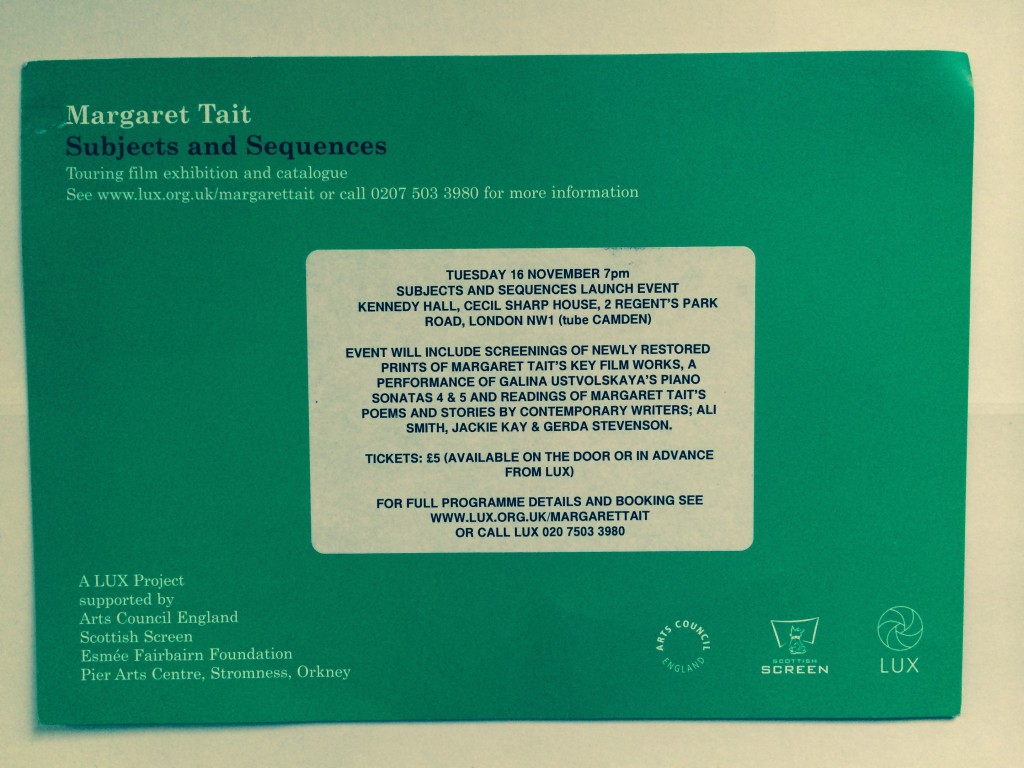
The event featured a selection of Margaret Tait’s films including Three Portrait Sketches, A Portrait of Ga, Aerial, Hugh MacDiarmid A Portrait, Colour Poems, and Where I am Is Here.
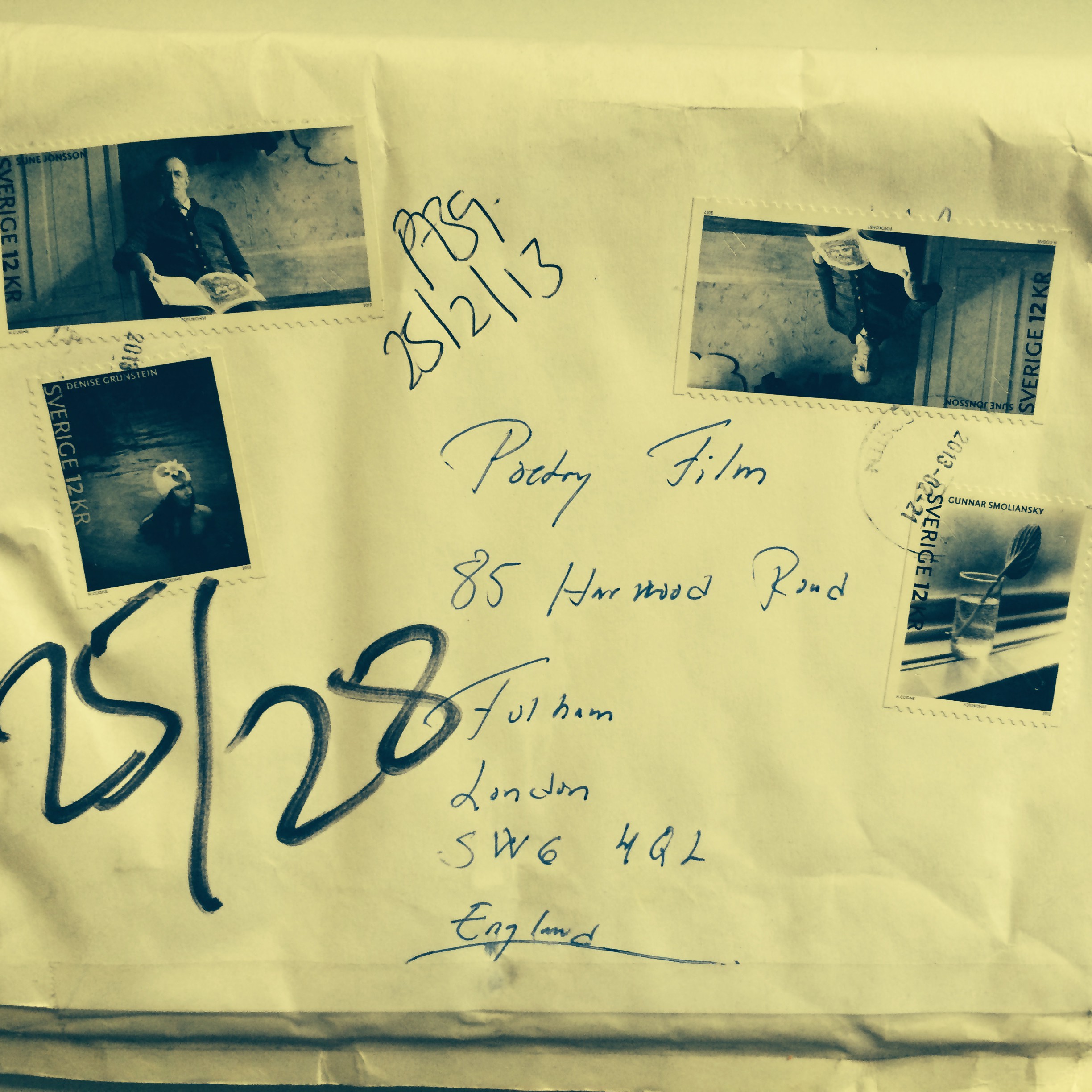
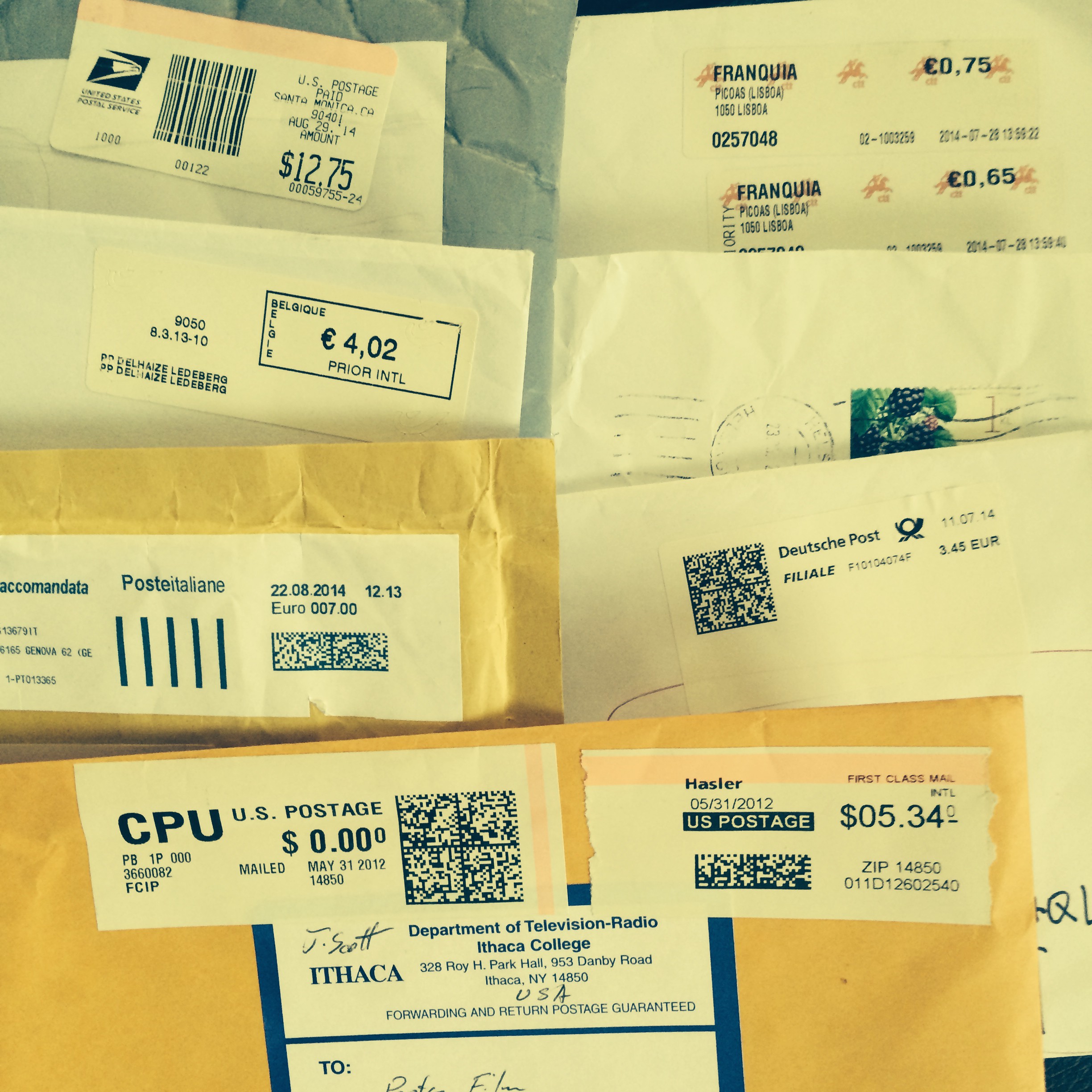
This is one of my favourite envelopes received. It is from Sweden and features four stamps of the important Swedish photographers Sune Jonsson (a documentary photographer and writer), Gunnar Smoliansky (a photographer of the understated), and Denise Grunstein (an ethereal portrait photographer) positioned jauntily.
Bernadette Mayer’s Writing Experiments
* Invent a new form.
* Make a pattern of repetitions.
* Do experiments with sensory memory: record all sense images that remain from breakfast, study which senses engage you, escape you.
* Meditate on a word, sound or list of ideas before beginning to write.
* Write what cannot be written; for example, compose an index.
* The possibilities of synesthesia in relation to language and words: the word and the letter as sensations, colors evoked by letters, sensations caused by the sound of a word as apart from its meaning, etc. And the effect of this phenomenon on you; for example, write in the water, on a moving vehicle.
* Eliminate material systematically from a piece of your own writing until it is “ultimately” reduced, or, read or write it backwards, line by line or word by word. Read a novel backwards.
* Attempt tape recorder work, that is, recording without a text, perhaps at specific times.
* Get someone to write for you, pretending they are you.
* Attempt to speak for a day only in questions; write only in questions.
* Exercises in style: Write twenty-five or more different versions of one event.
Click below for more
Quotation taken from Laura Mulvey’s essay Visual Pleasure and Narrative Cinema (II. Pleasure in Looking/Fascination with the Human Form).
A Human Document. A Hum(an) (Doc)ument. A Humument.
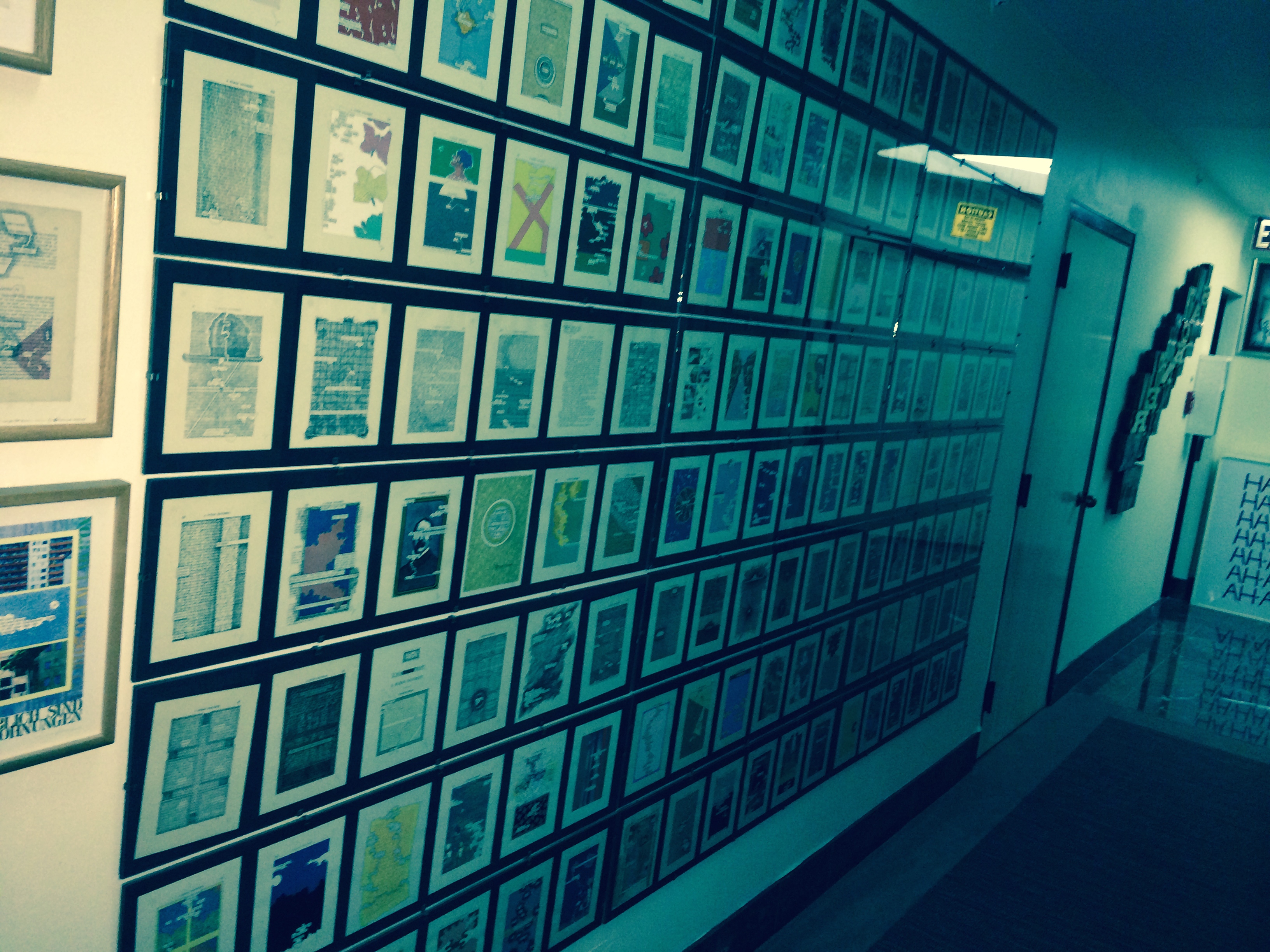
With thanks to Ruth and Marvin Sackner.
Moving Words is an exhibit hosted at Illuminations Gallery, the digital-visual exhibition space of the School of English, Media and Theatre Studies at the National University of Ireland in Maynooth, Ireland. The exhibit, curated by Dene Grigar, explores 30 years of net-based kinetic poetry and prose, presenting various artistic approaches and methods of expression, from cinematic animated text displayed originally on a computer screen to highly interactive textual spaces meant for mobile devices. Click here to go to the Moving Words website.
“A postmodern artist or writer is in the position of a philosopher: the text he writes, the work he produces are not in principle governed by pre-established rules, and they cannot be judged according to a determining judgement, by applying familiar categories to the text or to the work. Those rules and categories are what the work of art itself is looking for.
The artist and the writer are working without rules in order to formulate the rules of what will have been done. Hence the fact that work and text have the character of an event; hence also, they always come too late for their author, or, what amounts to the same thing, their being put into work, their realisation (mise en oeuvre) always begins too soon. Post modern would have to be understood according to the paradox of the future (post) anterior (modo).”
Jean-Francois Lyotard, The Postmodern Condition: A Report on Knowledge
Please sign up to the Waiting List on Eventbrite as more tickets will be released soon.
Photograph taken at the Whipple Museum of the History of Science in Cambridge.
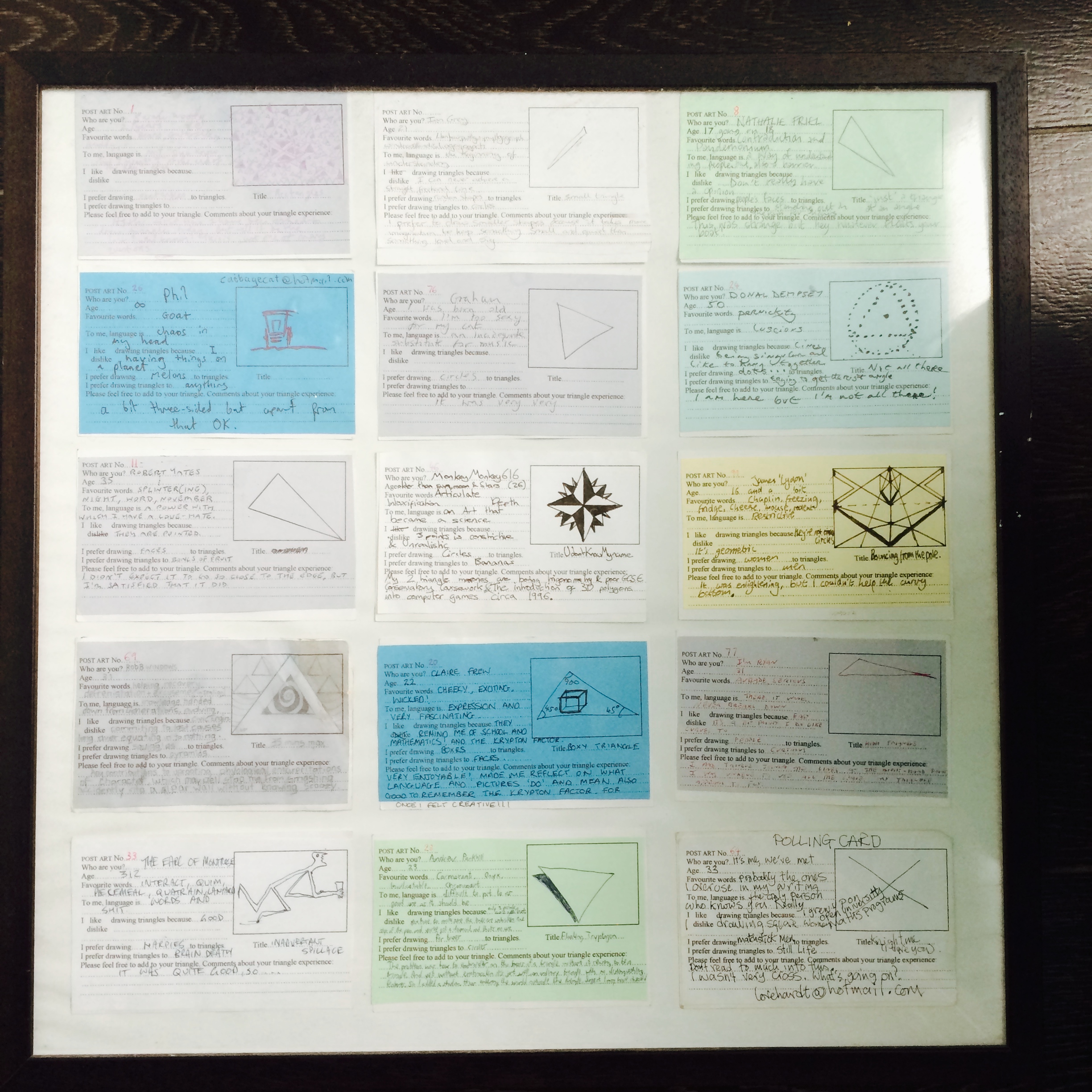
Here is a selection of postcards received from my Post Poem Post Card Art project in 2003.
The hand-made postcards were numbered and distributed around London with a stamp affixed.





















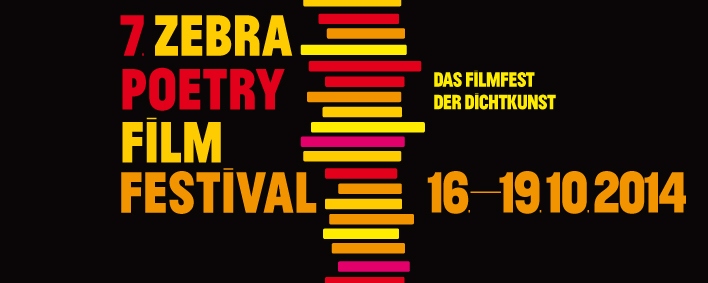
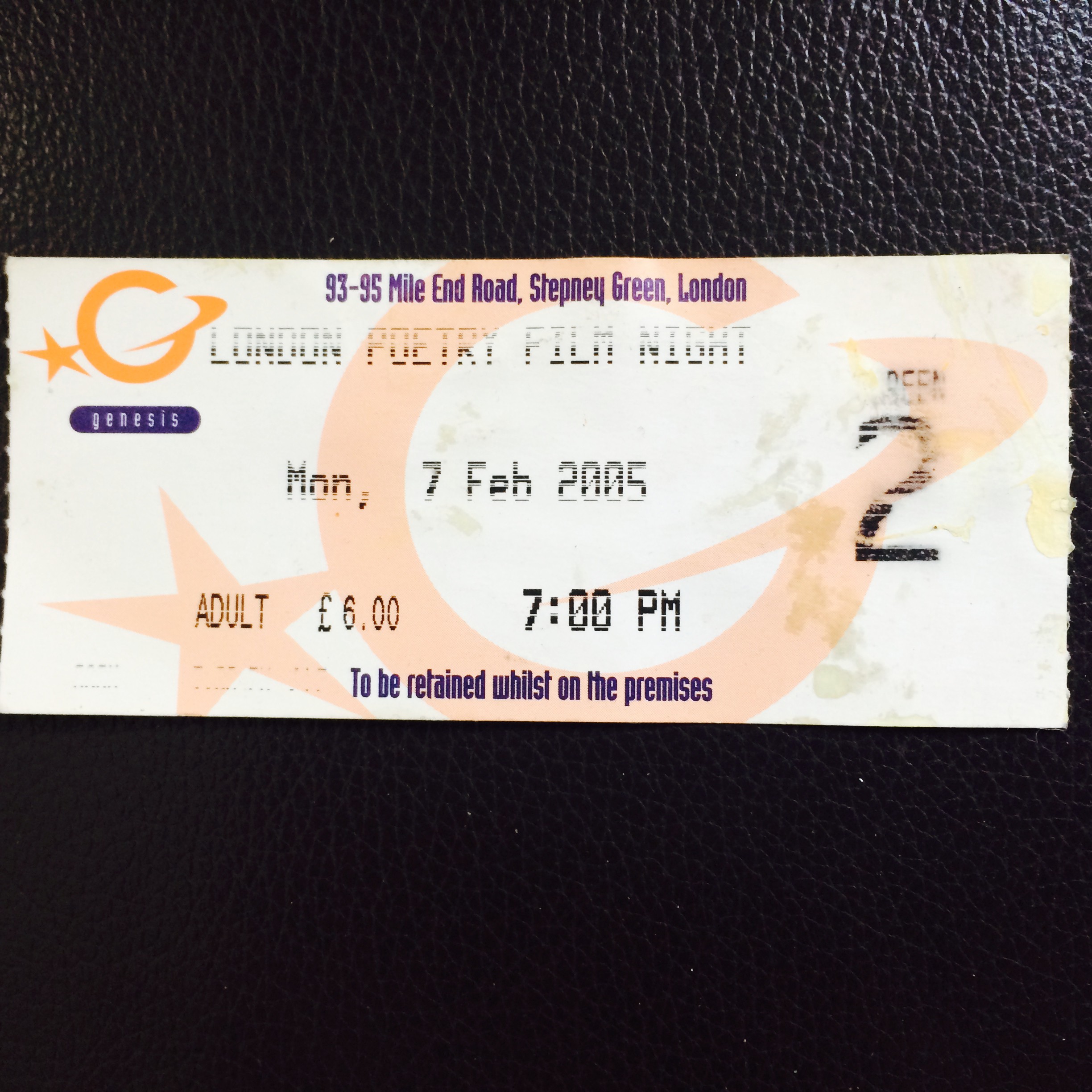

 PoetryFilm