Oval Construction by Kurt Schwitters, 1925

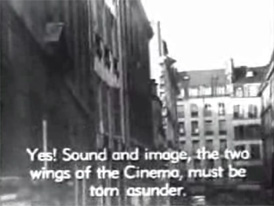
The Man With Wheels, a film about Kurt Schwitters that was made by Billy Childish and Eugene Doyen will be screened at PoetryFilm: Sounds of Love on Saturday 19 July at 7:45pm at the Southbank Centre.

Jul 14
The Man With Wheels, a film about Kurt Schwitters that was made by Billy Childish and Eugene Doyen will be screened at PoetryFilm: Sounds of Love on Saturday 19 July at 7:45pm at the Southbank Centre.
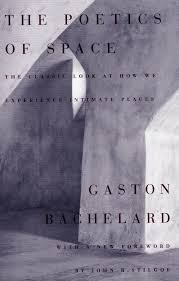
“A word is a bud attempting to become a twig. How can one not dream while writing? It is the pen which dreams. The blank page gives the right to dream.”
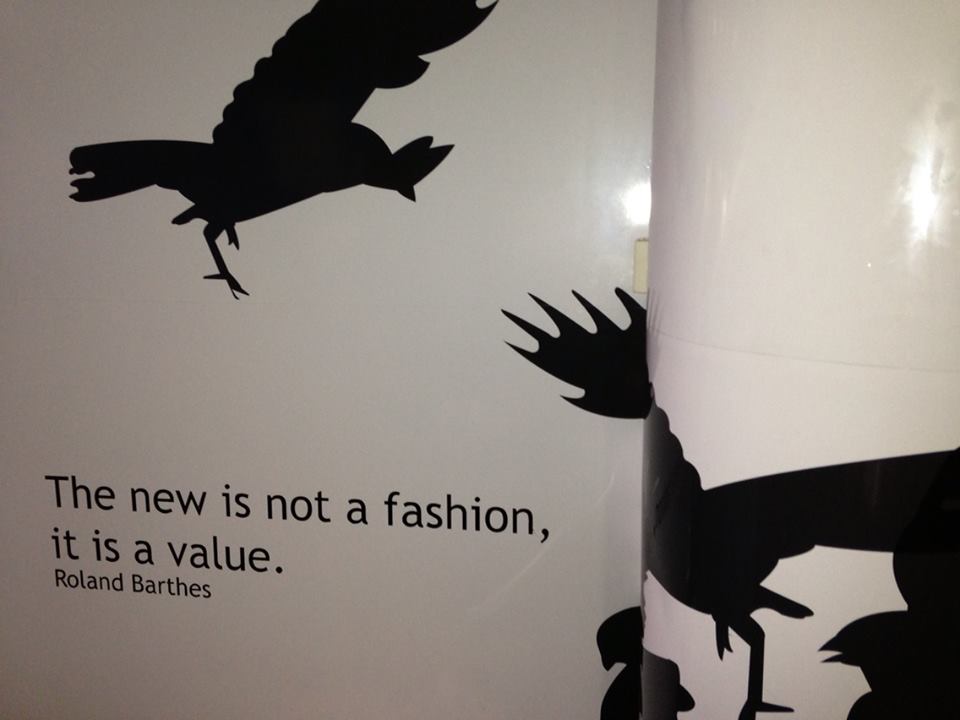
“When the image is new, the world is new.”
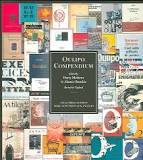
The Oulipo Compendium (edited by Harry Matthews and Alastair Brotchie) is the classic Oulipo resource.
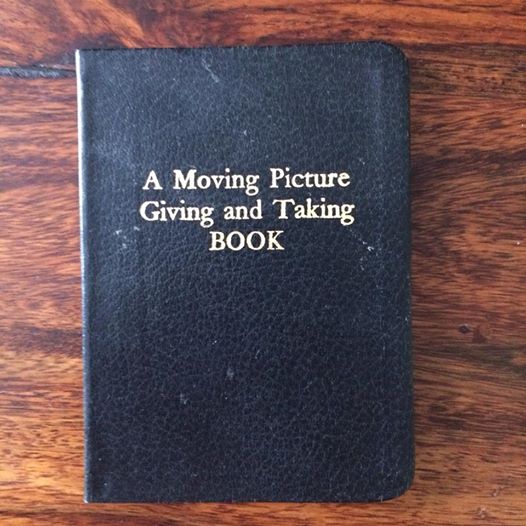
A Moving Picture Giving and Taking Book by Stan Brakhage, first edition, 1971.
“This book is dedicated to Michael McClure who spoke to me of the need for a short book on film technique which could be read by poets.” – Stan Brakhage.
“By emphasizing again the sound value of poetry, words in their printed form will not have any meaning that people need to labor over deciphering. Consonants will become empty, purely auditory, simple lines having physical meaning only in the listener’s ears. By placing value on effects beyond their usual meaning (in words), poetry will create a new sensitivity. In the place of the cerebral beauty that was created in the chiseling style of poetry, one responds simply with direct auditory understanding. It is then a matter of discovering the unknown abundance of purely oral constructions; of untangling the intangible accents in vocabulary. Poetry is thus liberated from all prose (reading for meaning without regard for tones), to become an instrument of lyrical communication. Poetry realizes its mission which is precisely to broadcast local imperceptibilities and applied suggestions, because poetry was created by individuals who wanted to understand each other, sensing the linguistic vibrations against their palates. Verse is the result of a need to consider the phonetic effects produced in other people’s imaginations. Letterism intends to introduce this beauty, which is limited in the present system of oral communication by lack of rules and even of letters. This is why it is necessary to regulate the stability of auditory frequencies by constructing elements specially designed for the purpose. It is a matter of enriching the possibilities for denoting the changes that occur between sound values. These particles of language, still inferior and unexpressed, must acquire proper signs so that they can develop in their own category, the auditory.”
Isidore Isou
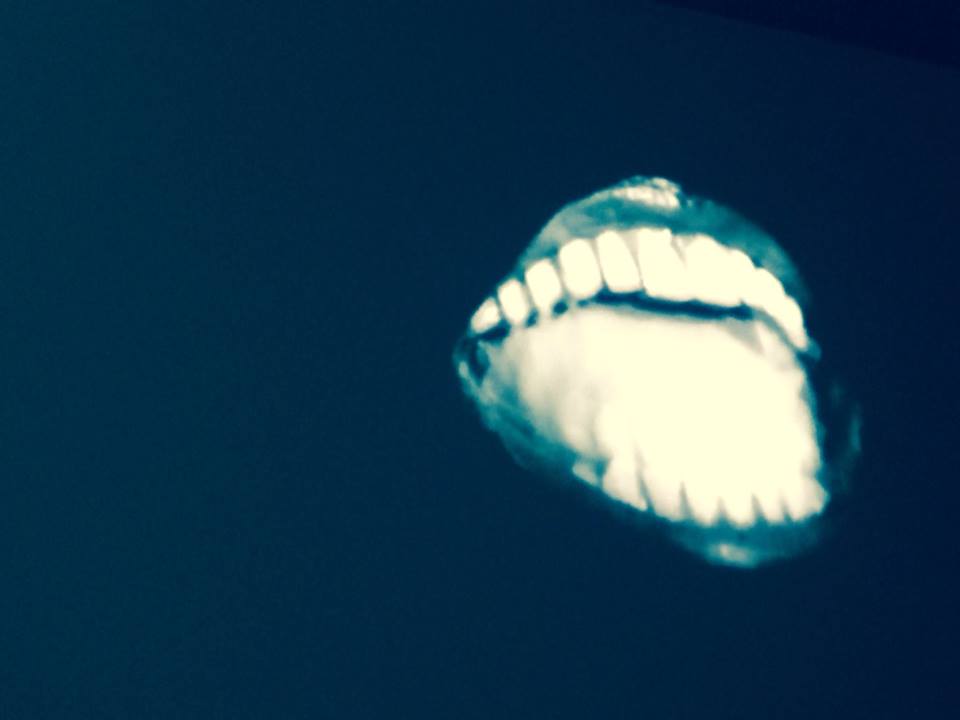
Billie Whitelaw’s mouth in in 1973 performance of Samuel Beckett’s “Not I”.
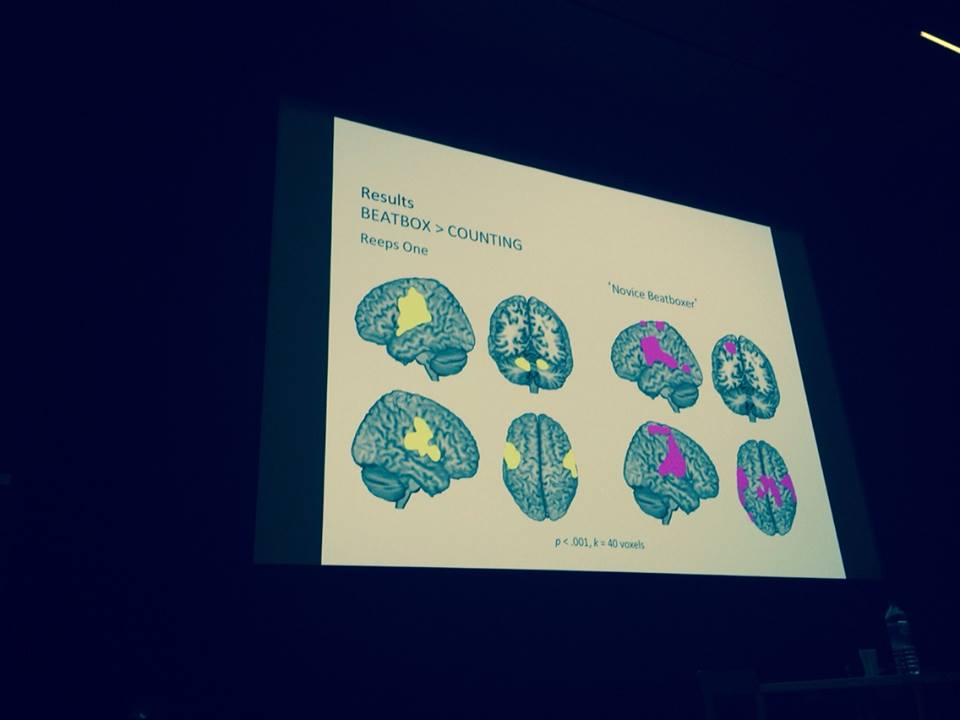
Image of MRI brain scans of an experienced beatboxer (left) and a novice beatboxer (right). The photo was taken at the Vocal Discords symposium at the RCA in March 2014 during Sophie Scott’s presentation of her research investigating language acquisition.
Jul 3
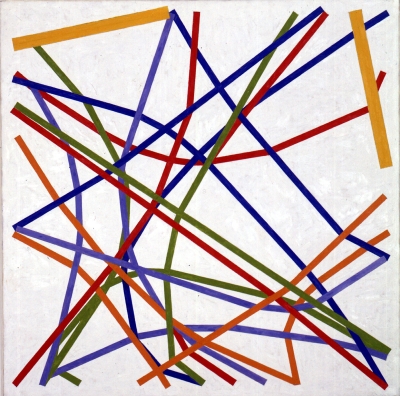
Automatic Art is the latest show at GV Art. The exhibition presents 50 years of British art that is generated from strict procedures. The artists make their work by following rules or by writing computer programs. They range from system-based paintings and drawings to evolving computer generated images.
Private View: Thursday 3 July 2014, 6-9pm
Exhibition runs from Friday 4 July and ends Saturday 26 July 2014.
GV Art gallery, London, 49 Chiltern Street, Marylebone, London W1U 6LY
The image is a piece by Kenneth Martin called Chance, Order, Change 21…Divergences 1, 1982, oil on canvas, 91.4 x 91.4 © The Estate of the Artist, courtesy Annely Juda Fine Art, London.
The full press release from GV Art is below.
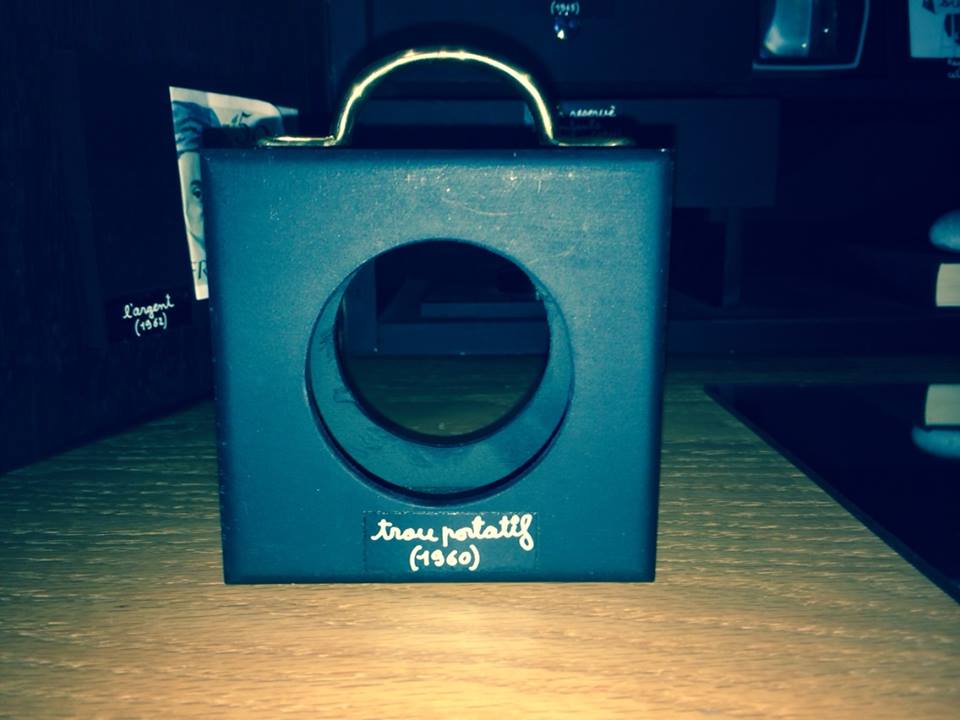
Many thanks to Ruth and Marvin Sackner for the kind invitation to view their private collection in Miami.
The event took place at the Genesis Cinema in London.
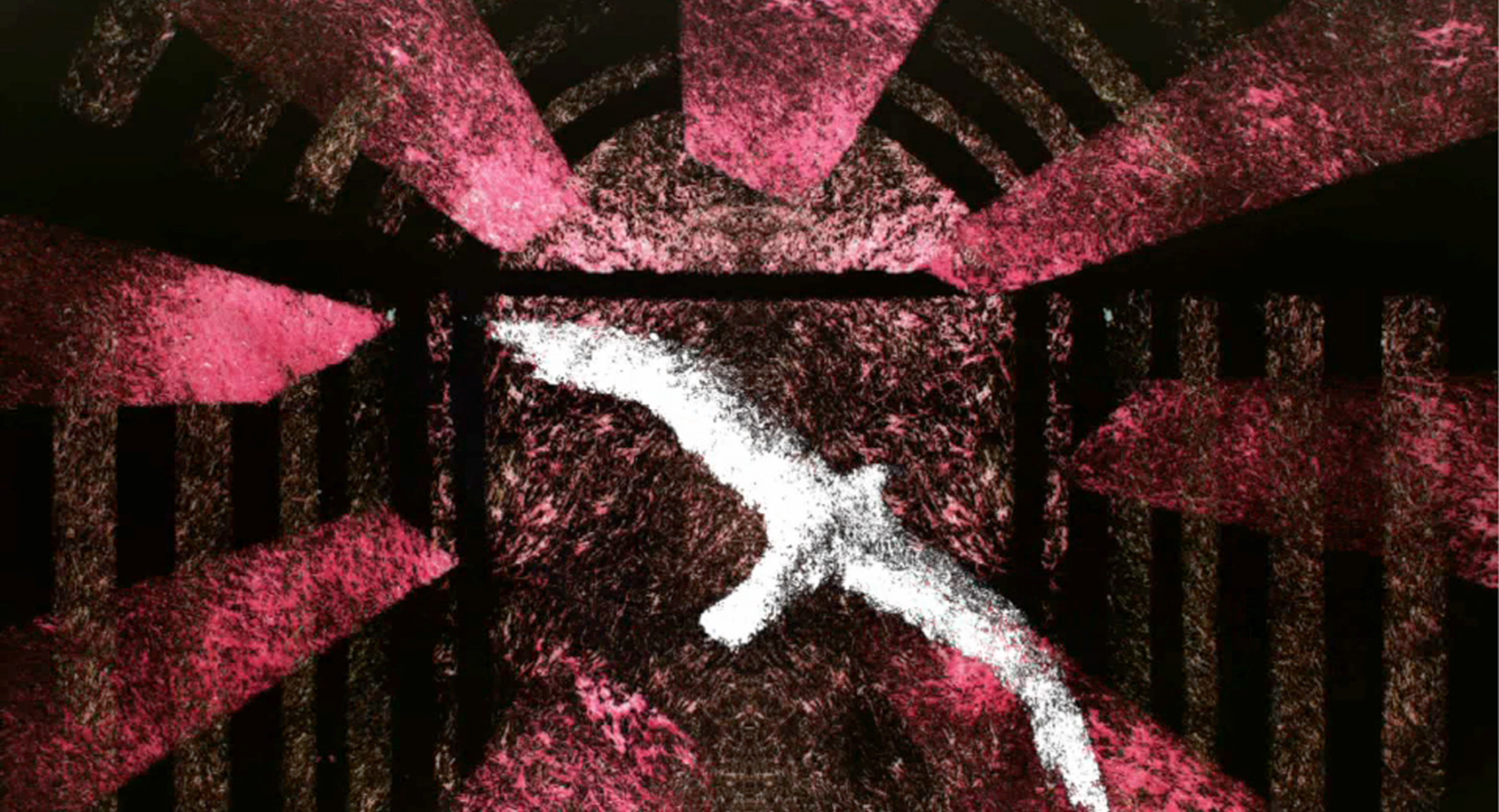
PROEM
Directed by Suzie Hanna © Dec 2013
Animation by Suzie Hanna
Sound Design by Tom Simmons
Poem by Harold Hart Crane (1930)
Voice by Tennessee Williams (1960)
(Permission for use given by HarperCollins)
This short film illustrates and interprets Hart Crane’s ‘Proem To Brooklyn Bridge’ (1930) using a direct animated stencil technique reflecting graphic styles of the period, the evocative voice of Tennessee Williams (a great admirer of Hart Crane’s work) and original sound design. This is an interdisciplinary contribution to research into cultural representations of literature and literary figures through animation and sound design, underpinned by study of Hart Crane’s creative process and his use of metaphor.
This Poetry Animation is a representation of Hart Crane’s iconic ‘Proem’ from his epic work ‘The Bridge’. Suzie Hanna animated the film using hand cut stencils imitating some graphic aspects of contemporaneous 1920s New York artists who were in Hart Crane’s coterie, such as Joseph Stella and Marsden Hartley. She also referenced Vorticism to capture vertiginous aspects of the verse. The voice of Tennessee Williams, who was an ardent admirer of Crane, is taken from a 1960 recording. Tom Simmons has built this into a resonant dramatic soundscape which interprets the materiality of the bridge, the surrounding land and waterscape and the ‘prayerful’ qualities of the Proem. He embeds sonic references to Hart Crane’s ‘shamanic process’ in which the poet played records on his Victrola, including Ravel’s ‘Bolero’, loudly and repeatedly, whilst drinking heavily and typing phrases in manic bursts. The film is part of ongoing research into representation of poetic metaphor, between Sally Bayley, Tom Simmons and Suzie Hanna: their recent article ‘Thinking Metaphorically and Allegorically: A Conversation between the fields of Poetry, Animation and Sound’ was published in Autumn 2013 in the Journal of American Studies. A further installment has been commissioned for publication in Spring 2014.
Director’s biography and filmography
Professor Suzie Hanna teaches at Norwich University of the Arts. She is an animator working with mixed media across analogue and digital interfaces, who collaborates with other academics and artists, and whose research interests include animation, poetry, puppetry and sound design. She has made numerous short films all of which have been commissioned, selected for international festival screenings, TV broadcast or exhibited in curated shows. She contributes to journals, books and conferences, and has led several innovative projects including animated online international student collaborations and digital exhibitions of art and poetry on Europe’s largest public HiDef screen.
Recent animations include a book trailer ‘Spells’ for American poet Annie Finch, ‘Letter to the World’, commissioned by the Emily Dickinson International Society, animated theatrical scenery for a production of The Tinderbox, an animated Madonna figure for a 30 foot high projection commissioned by Norwich Cathedral, ‘The Girl who would be God’ commissioned for Sylvia Plath Conference at Oxford University and ‘Man-Moth Merz’ for screening at poet Elisabeth Bishop centenary celebrations in Nova Scotia.
The ‘Proem’ film is part of ongoing research into representation of poetic metaphor, between Sally Bayley, Tom Simmons and Suzie Hanna: their recent article ‘Thinking Metaphorically and Allegorically: A Conversation between the fields of Poetry, Animation and Sound’ was published in Autumn 2013 in the Journal of American Studies. A further instalment has been commissioned for publication in Spring 2014.
Poet’s biography
Harold Hart Crane was a Modernist American poet, most famous for his epic work ‘The Bridge’. He was born in 1899, and after his tragic early suicide in 1932 he became recognised as a legendary figure in American poetry. He indulged in frequent bouts of serious alcohol abuse and risked casual sex with sailors, but despite suffering from low self-esteem, he wrote optimistic poetry. He was a follower of Whitman’s American Romanticism, and was concerned with themes of redemption and damnation. He was in a coterie of active, and later influential, artists and writers in 1920s New York, and the archive of his considerable correspondence is held at Columbia University.
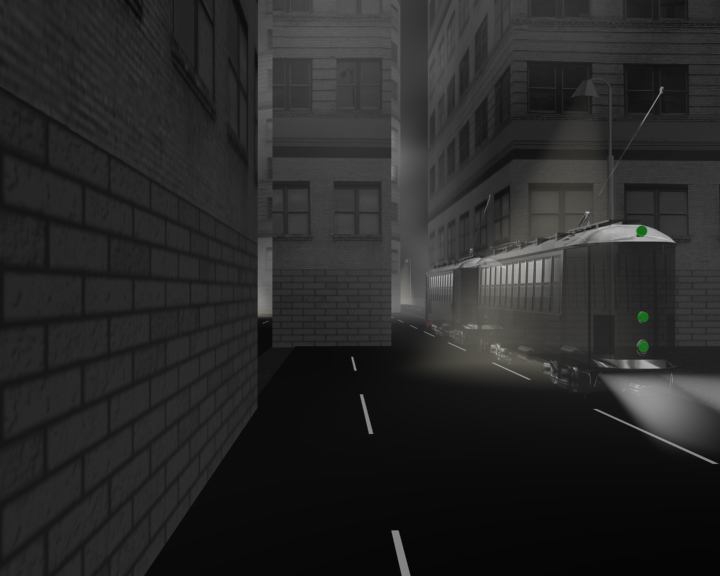
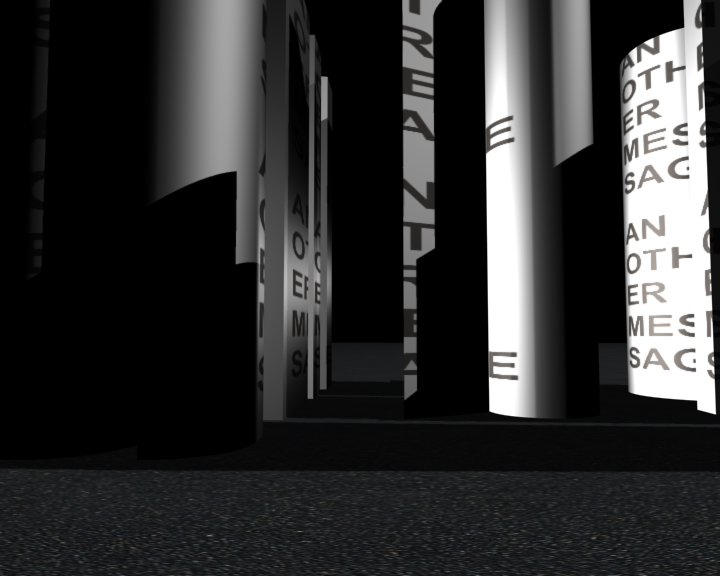
The film won the Festival Prize “La parola immaginata” at Trevigliopoesia in Bergamo, Italy (2011).
The film won the Festival Prize “La parola immaginata” at Trevigliopoesia in Bergamo, Italy (2011).
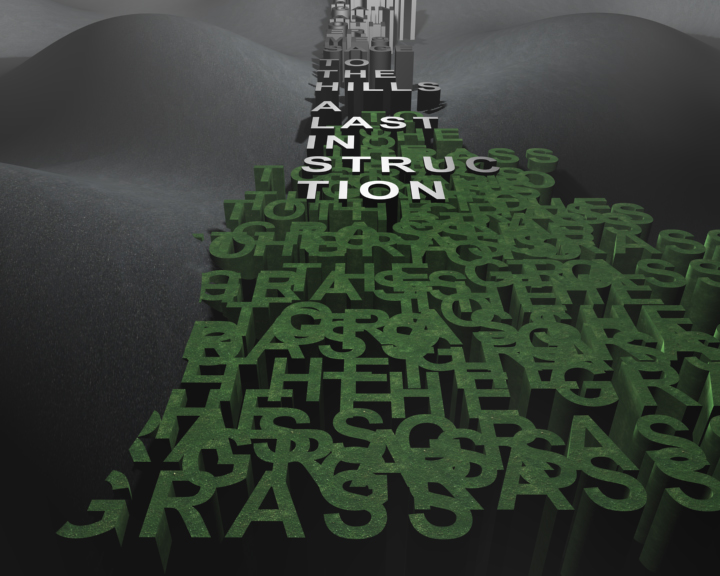
The film won the Festival Prize “La parola immaginata” at Trevigliopoesia in Bergamo, Italy (2011).

A picture of a “health-and-safety” bookshop discovered in Preston in September 2013.

Objeto Cinetico C-11 (1966–2004), Abraham Palatnik.
This is a picture from the show which ran from February 24 – April 7, 2014.
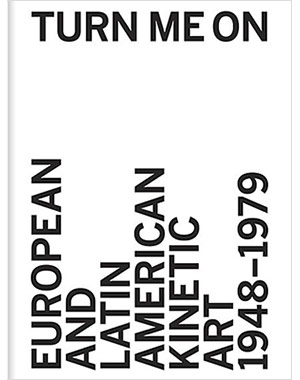
Turn Me On: European and Latin American Kinetic Art 1948-1979
24 FEBRUARY – 7 APRIL 2014 | LONDON
Christie’s is pleased to present Turn Me On, a private selling exhibition of Kinetic Art from Europe and Latin America. Focusing on motorised Kinetic works created from 1950 to the early 1970s, this exhibition presents works that reflect the new artistic tendencies and visual language explored in the postwar period. Today understood as part of the art historical lexicon, ‘ Kinetic Art’ was simultaneously explored across the globe by several groups concerned with creating art that incorporated motion. These artists redefined art’s traditional parameters by engaging with a wealth of new materials, processes and technology. It is the aim of this exhibition to assess this dialogue with a specific focus on the unique artistic collaborations and exchanges between Latin America and Europe. The resulting range of kinetic artwork is astounding and includes Pol Bury’s early works (which at first appear to be static but are in actuality brimming with movement) and Marina Apollonio’s Dinamica Circolare 9B, 1969 (which uses precise lines and colour variation to provide a flat two-dimensional object with the appearance of depth). These exhibited works achieve movement either spatially (through three-dimensional movement), non-spatially (using cinematic film, light, or color) or virtually (with optical illusion).
In charting Kinetic Art from its beginnings in post-war Europe to its role on the international stage, and in assessing for the first time the special dialogue between Latin American Kinetic Art and its European counterparts, we are pleased to re-engage in the dialogue initiated by the important international group of artists presented in this exhibition.
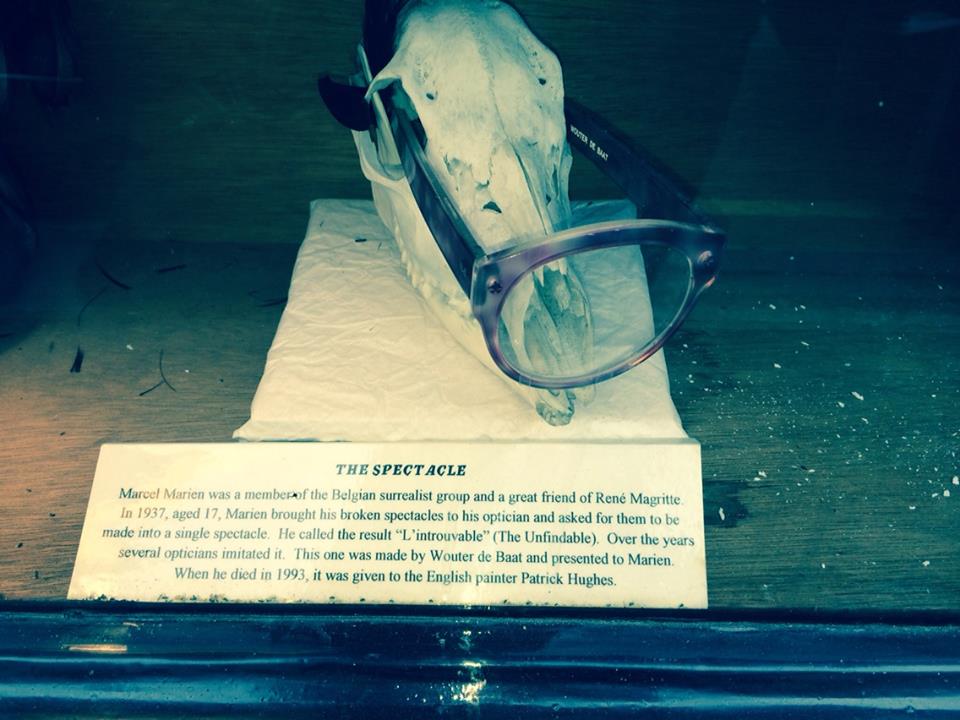
Marcel Marien was a member of the Belgian surrealist group and a great friend of Rene Magritte. In 1937, aged 17, Marien brought his broken spectacles to his optician and asked for them to be made into a single spectacle. He called the result “L’introuvable” (The Unfindable). Over the years several opticians imitated it. This one was made by Wouter de Baat and presented to Marien. When he died in 1993, it was given to the English painter Patrick Hughes.

























 PoetryFilm