PoetryFilm Blackboard: project documentation (Saturday 19 July 2014)
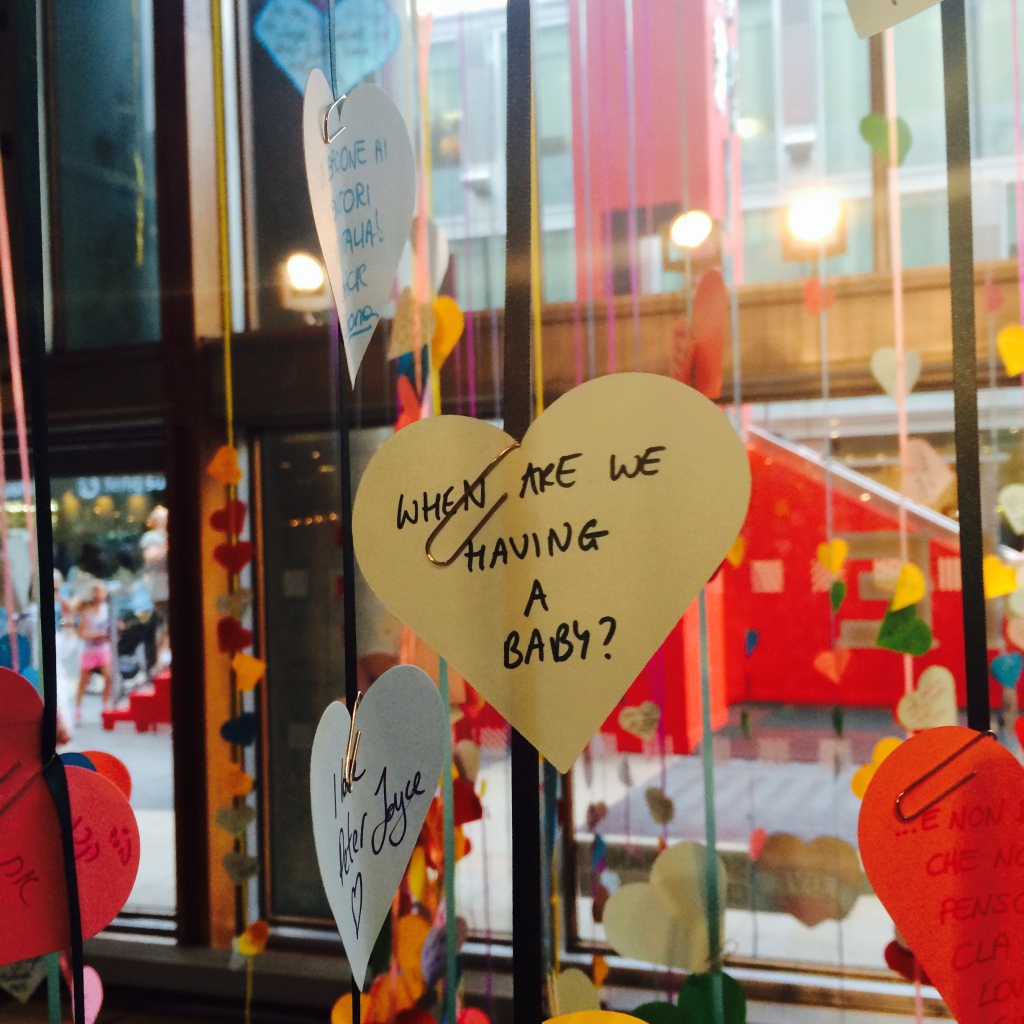
Below is a selection of participant photographs taken during the PoetryFilm Blackboard project on Saturday 19 July 2014 at the Southbank Centre.

Click below for more photographs.

Jul 21
Below is a selection of participant photographs taken during the PoetryFilm Blackboard project on Saturday 19 July 2014 at the Southbank Centre.
Click below for more photographs.
Below is a selection of participant photographs taken during the PoetryFilm Blackboard project on Friday 18 July 2014 at the Southbank Centre.
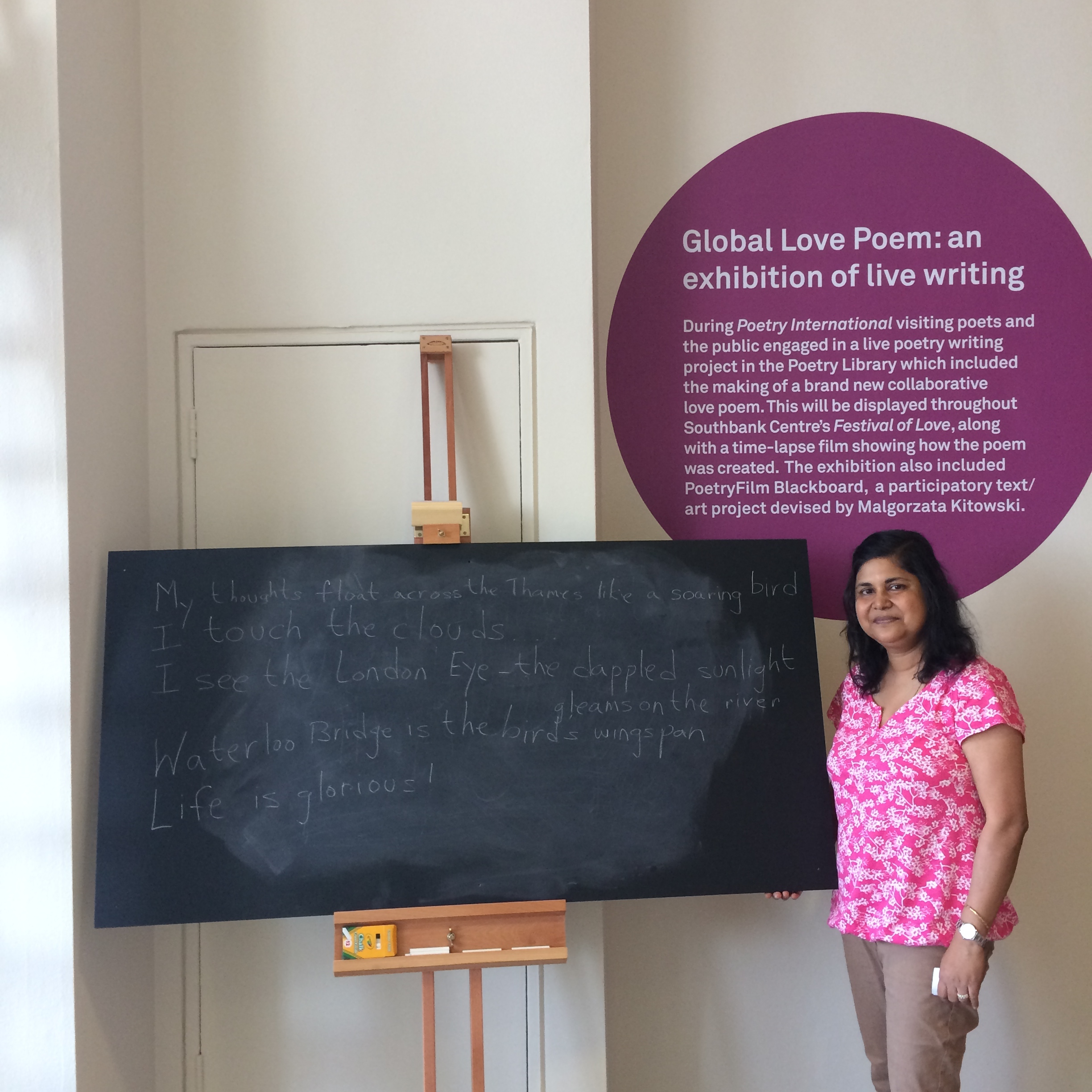
Click below to see more photographs.
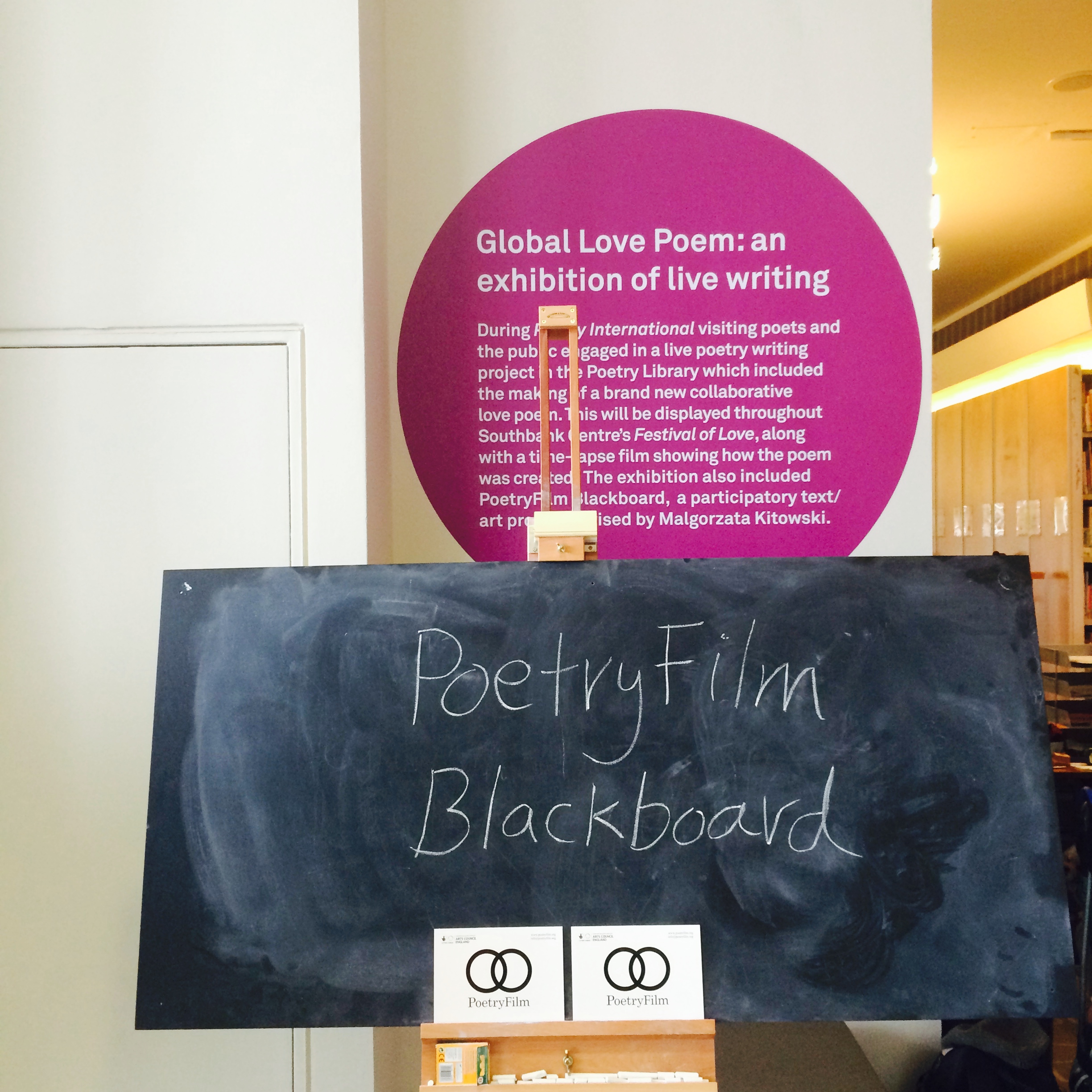
PoetryFilm Blackboard is a participatory text/art project devised by Malgorzata Kitowski.
Visitors are invited to participate by writing words on a blackboard using chalk. A photograph will taken of each line and a PoetryFilm will be created using a selection of photographs taken from the project.
18, 19, 20 July between 12pm – 2pm Saison Poetry Library (on the 5th floor) at Royal Festival Hall.
The blackboard contributions will be screened on Monday 21 July at 12pm at the Saison Poetry Library and the poetryfilm will be available to watch here on http://www.poetryfilm.org shortly afterwards.
Saturday 19 July 2014, 7:45pm
Southbank Centre
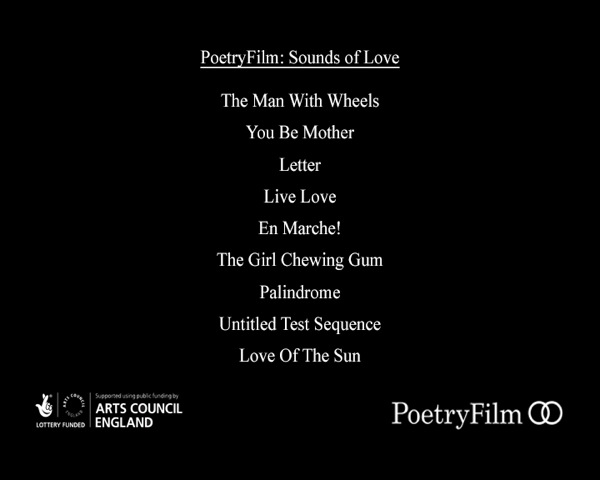
An evening of sound-informed poetry films and live performances celebrating the sounds of love and the love of sounds. Conceived, curated and introduced by Zata Kitowski.
Venue: Spirit Level at Royal Festival Hall
The event is part of Poetry International and The Festival of Love.
The full programme is below.

The Man With Wheels, a film about Kurt Schwitters that was made by Billy Childish and Eugene Doyen will be screened at PoetryFilm: Sounds of Love on Saturday 19 July at 7:45pm at the Southbank Centre.
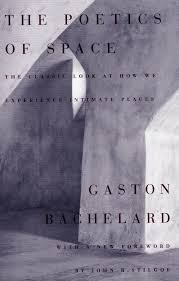
“A word is a bud attempting to become a twig. How can one not dream while writing? It is the pen which dreams. The blank page gives the right to dream.”
“When the image is new, the world is new.”
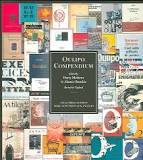
The Oulipo Compendium (edited by Harry Matthews and Alastair Brotchie) is the classic Oulipo resource.
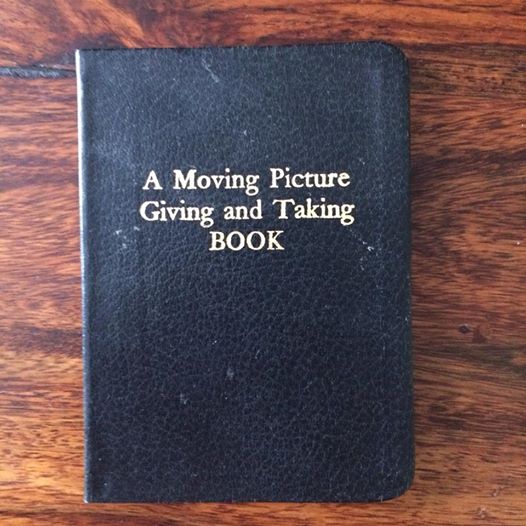
A Moving Picture Giving and Taking Book by Stan Brakhage, first edition, 1971.
“This book is dedicated to Michael McClure who spoke to me of the need for a short book on film technique which could be read by poets.” – Stan Brakhage.
“By emphasizing again the sound value of poetry, words in their printed form will not have any meaning that people need to labor over deciphering. Consonants will become empty, purely auditory, simple lines having physical meaning only in the listener’s ears. By placing value on effects beyond their usual meaning (in words), poetry will create a new sensitivity. In the place of the cerebral beauty that was created in the chiseling style of poetry, one responds simply with direct auditory understanding. It is then a matter of discovering the unknown abundance of purely oral constructions; of untangling the intangible accents in vocabulary. Poetry is thus liberated from all prose (reading for meaning without regard for tones), to become an instrument of lyrical communication. Poetry realizes its mission which is precisely to broadcast local imperceptibilities and applied suggestions, because poetry was created by individuals who wanted to understand each other, sensing the linguistic vibrations against their palates. Verse is the result of a need to consider the phonetic effects produced in other people’s imaginations. Letterism intends to introduce this beauty, which is limited in the present system of oral communication by lack of rules and even of letters. This is why it is necessary to regulate the stability of auditory frequencies by constructing elements specially designed for the purpose. It is a matter of enriching the possibilities for denoting the changes that occur between sound values. These particles of language, still inferior and unexpressed, must acquire proper signs so that they can develop in their own category, the auditory.”
Isidore Isou
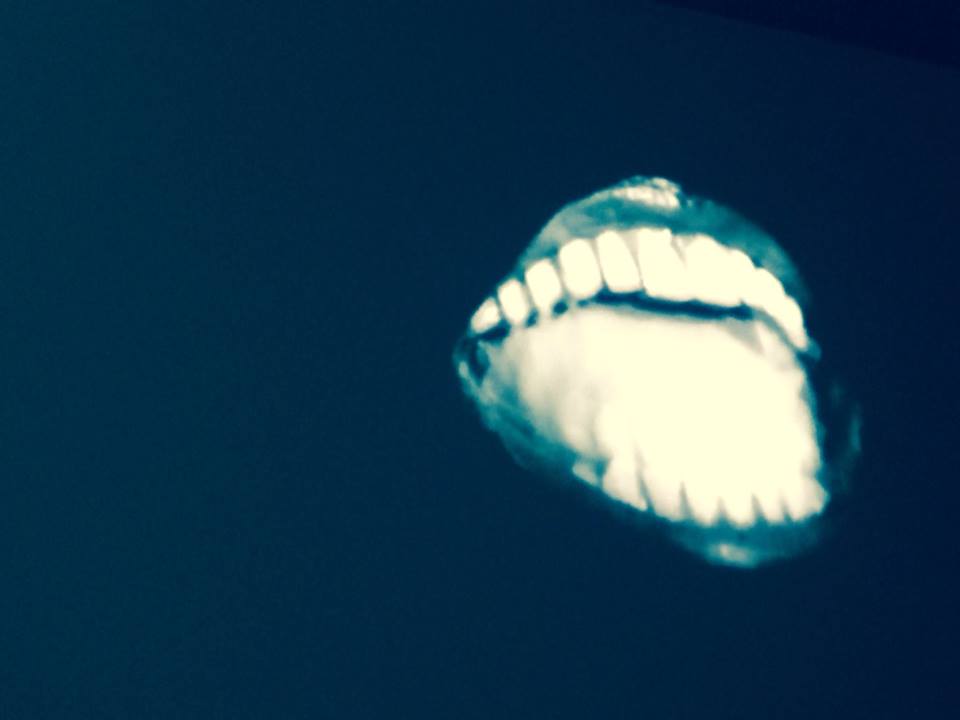
Billie Whitelaw’s mouth in in 1973 performance of Samuel Beckett’s “Not I”.
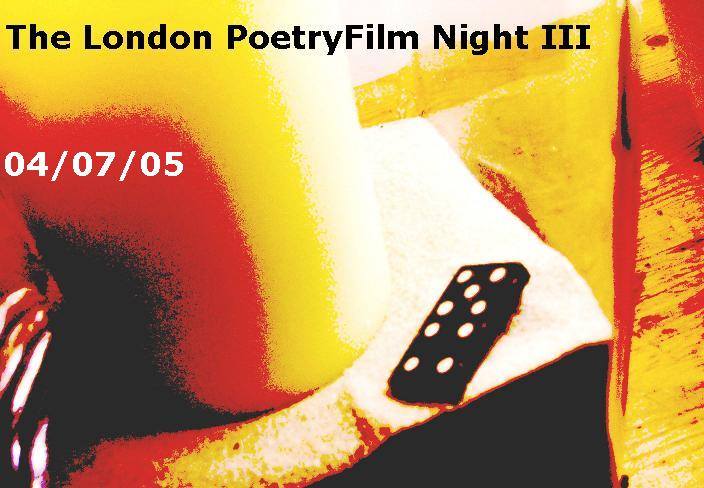
The event took place at the Genesis Cinema in London.
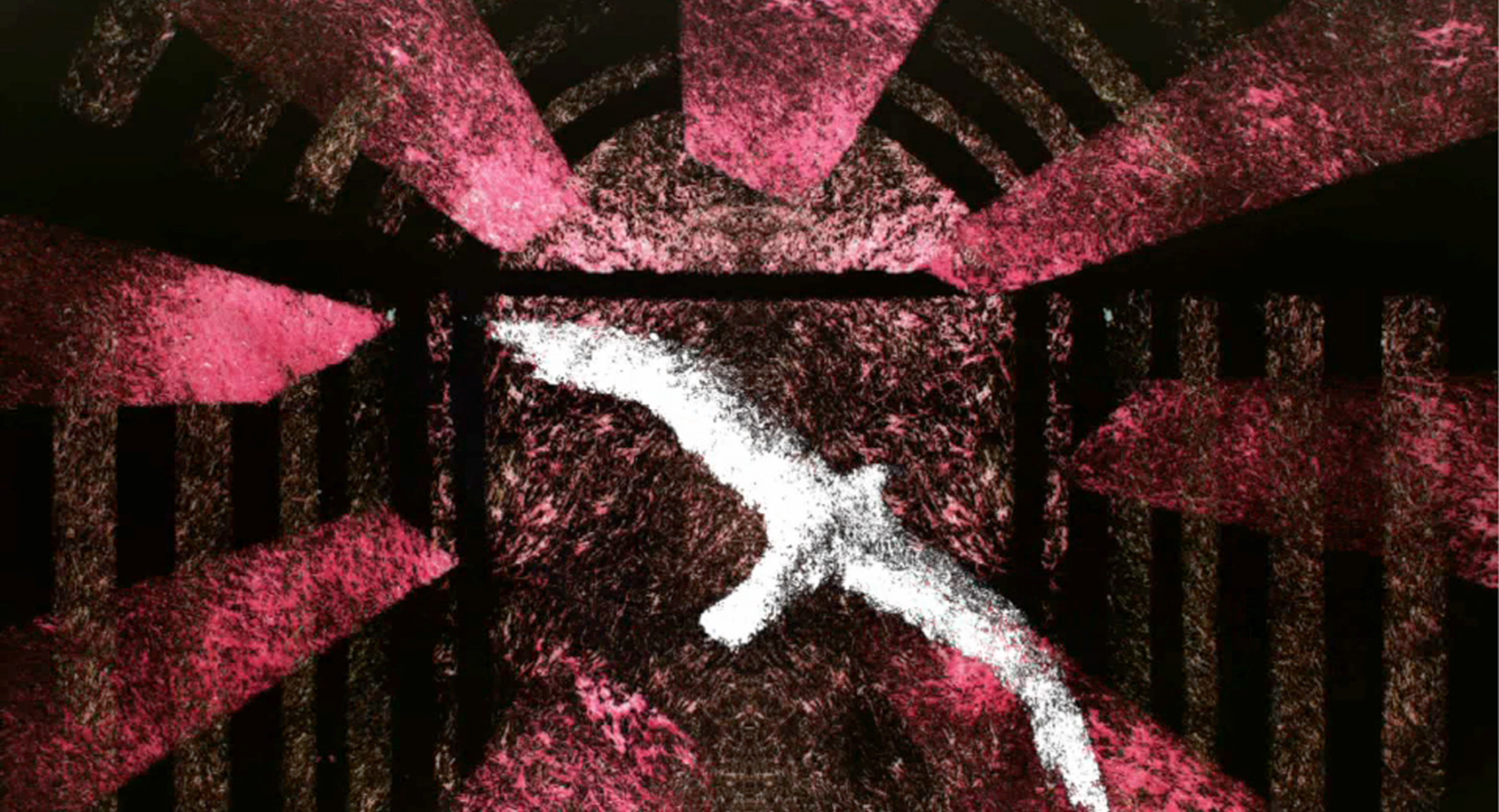
PROEM
Directed by Suzie Hanna © Dec 2013
Animation by Suzie Hanna
Sound Design by Tom Simmons
Poem by Harold Hart Crane (1930)
Voice by Tennessee Williams (1960)
(Permission for use given by HarperCollins)
This short film illustrates and interprets Hart Crane’s ‘Proem To Brooklyn Bridge’ (1930) using a direct animated stencil technique reflecting graphic styles of the period, the evocative voice of Tennessee Williams (a great admirer of Hart Crane’s work) and original sound design. This is an interdisciplinary contribution to research into cultural representations of literature and literary figures through animation and sound design, underpinned by study of Hart Crane’s creative process and his use of metaphor.
This Poetry Animation is a representation of Hart Crane’s iconic ‘Proem’ from his epic work ‘The Bridge’. Suzie Hanna animated the film using hand cut stencils imitating some graphic aspects of contemporaneous 1920s New York artists who were in Hart Crane’s coterie, such as Joseph Stella and Marsden Hartley. She also referenced Vorticism to capture vertiginous aspects of the verse. The voice of Tennessee Williams, who was an ardent admirer of Crane, is taken from a 1960 recording. Tom Simmons has built this into a resonant dramatic soundscape which interprets the materiality of the bridge, the surrounding land and waterscape and the ‘prayerful’ qualities of the Proem. He embeds sonic references to Hart Crane’s ‘shamanic process’ in which the poet played records on his Victrola, including Ravel’s ‘Bolero’, loudly and repeatedly, whilst drinking heavily and typing phrases in manic bursts. The film is part of ongoing research into representation of poetic metaphor, between Sally Bayley, Tom Simmons and Suzie Hanna: their recent article ‘Thinking Metaphorically and Allegorically: A Conversation between the fields of Poetry, Animation and Sound’ was published in Autumn 2013 in the Journal of American Studies. A further installment has been commissioned for publication in Spring 2014.
Director’s biography and filmography
Professor Suzie Hanna teaches at Norwich University of the Arts. She is an animator working with mixed media across analogue and digital interfaces, who collaborates with other academics and artists, and whose research interests include animation, poetry, puppetry and sound design. She has made numerous short films all of which have been commissioned, selected for international festival screenings, TV broadcast or exhibited in curated shows. She contributes to journals, books and conferences, and has led several innovative projects including animated online international student collaborations and digital exhibitions of art and poetry on Europe’s largest public HiDef screen.
Recent animations include a book trailer ‘Spells’ for American poet Annie Finch, ‘Letter to the World’, commissioned by the Emily Dickinson International Society, animated theatrical scenery for a production of The Tinderbox, an animated Madonna figure for a 30 foot high projection commissioned by Norwich Cathedral, ‘The Girl who would be God’ commissioned for Sylvia Plath Conference at Oxford University and ‘Man-Moth Merz’ for screening at poet Elisabeth Bishop centenary celebrations in Nova Scotia.
The ‘Proem’ film is part of ongoing research into representation of poetic metaphor, between Sally Bayley, Tom Simmons and Suzie Hanna: their recent article ‘Thinking Metaphorically and Allegorically: A Conversation between the fields of Poetry, Animation and Sound’ was published in Autumn 2013 in the Journal of American Studies. A further instalment has been commissioned for publication in Spring 2014.
Poet’s biography
Harold Hart Crane was a Modernist American poet, most famous for his epic work ‘The Bridge’. He was born in 1899, and after his tragic early suicide in 1932 he became recognised as a legendary figure in American poetry. He indulged in frequent bouts of serious alcohol abuse and risked casual sex with sailors, but despite suffering from low self-esteem, he wrote optimistic poetry. He was a follower of Whitman’s American Romanticism, and was concerned with themes of redemption and damnation. He was in a coterie of active, and later influential, artists and writers in 1920s New York, and the archive of his considerable correspondence is held at Columbia University.
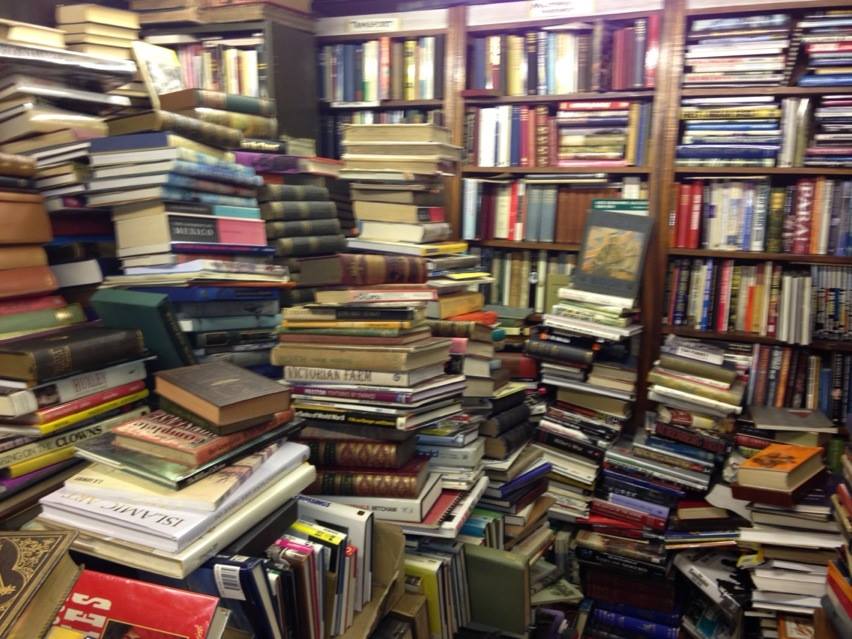
A picture of a “health-and-safety” bookshop discovered in Preston in September 2013.
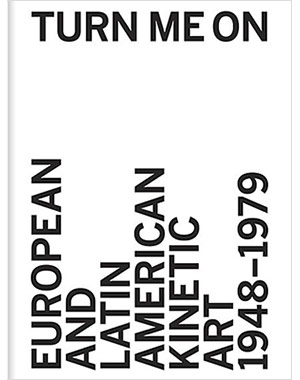
Turn Me On: European and Latin American Kinetic Art 1948-1979
24 FEBRUARY – 7 APRIL 2014 | LONDON
Christie’s is pleased to present Turn Me On, a private selling exhibition of Kinetic Art from Europe and Latin America. Focusing on motorised Kinetic works created from 1950 to the early 1970s, this exhibition presents works that reflect the new artistic tendencies and visual language explored in the postwar period. Today understood as part of the art historical lexicon, ‘ Kinetic Art’ was simultaneously explored across the globe by several groups concerned with creating art that incorporated motion. These artists redefined art’s traditional parameters by engaging with a wealth of new materials, processes and technology. It is the aim of this exhibition to assess this dialogue with a specific focus on the unique artistic collaborations and exchanges between Latin America and Europe. The resulting range of kinetic artwork is astounding and includes Pol Bury’s early works (which at first appear to be static but are in actuality brimming with movement) and Marina Apollonio’s Dinamica Circolare 9B, 1969 (which uses precise lines and colour variation to provide a flat two-dimensional object with the appearance of depth). These exhibited works achieve movement either spatially (through three-dimensional movement), non-spatially (using cinematic film, light, or color) or virtually (with optical illusion).
In charting Kinetic Art from its beginnings in post-war Europe to its role on the international stage, and in assessing for the first time the special dialogue between Latin American Kinetic Art and its European counterparts, we are pleased to re-engage in the dialogue initiated by the important international group of artists presented in this exhibition.
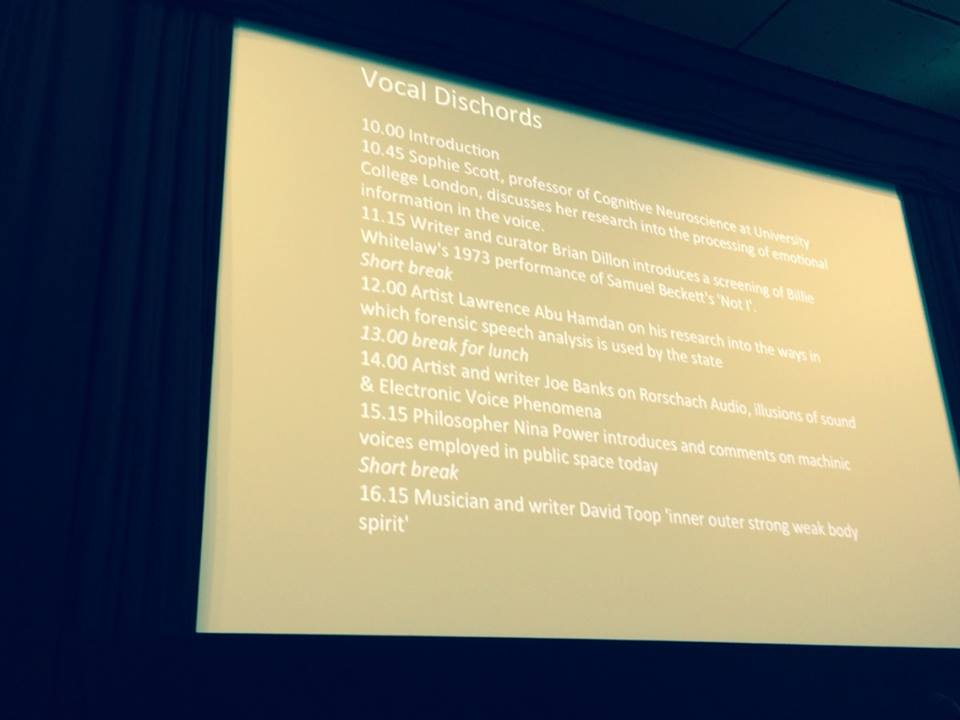
7 March 2014 | 10am – 5pm
Writers, critics, artists and scientists have been invited to explore the moments and conditions when the voice appears to detach itself from the body, seemingly acquiring autonomy.
Speakers include Sophie Scott, professor of Cognitive Neuroscience at University College London, who will discuss her research into the processing of emotional information in the voice; Brian Dillon will offer reflections on Billie Whitelaw’s 1973 performance of Samuel Beckett’s Not I; artist Lawrence Abu Hamdan will reflect on his research into the ways in which forensic speech analysis is used by the state; artist and writer Joe Banks will talk about Rorschach Audio, Illusions of Sound & Electronic Voice Phenomena; philosopher Nina Power will introduce and comment on machinic voices employed in public space today. Musician and writer David Toop will end the day with a presentation/performance.
The PoetryFilm event in March 2007 at Saatchi & Saatchi’s Gum Factory was part of the “Shot From the Lip” season of events.
Zata was on the “Shot From the Lip” Committee.
The quotation is taken from the Genesis Cinema’s marketing collateral leaflet for cinema listings Friday July 22 – Thursday July 28, 2005.
The London PoetryFilm Night III took place on July 25, 2005 at 7pm at the Genesis Cinema in London.
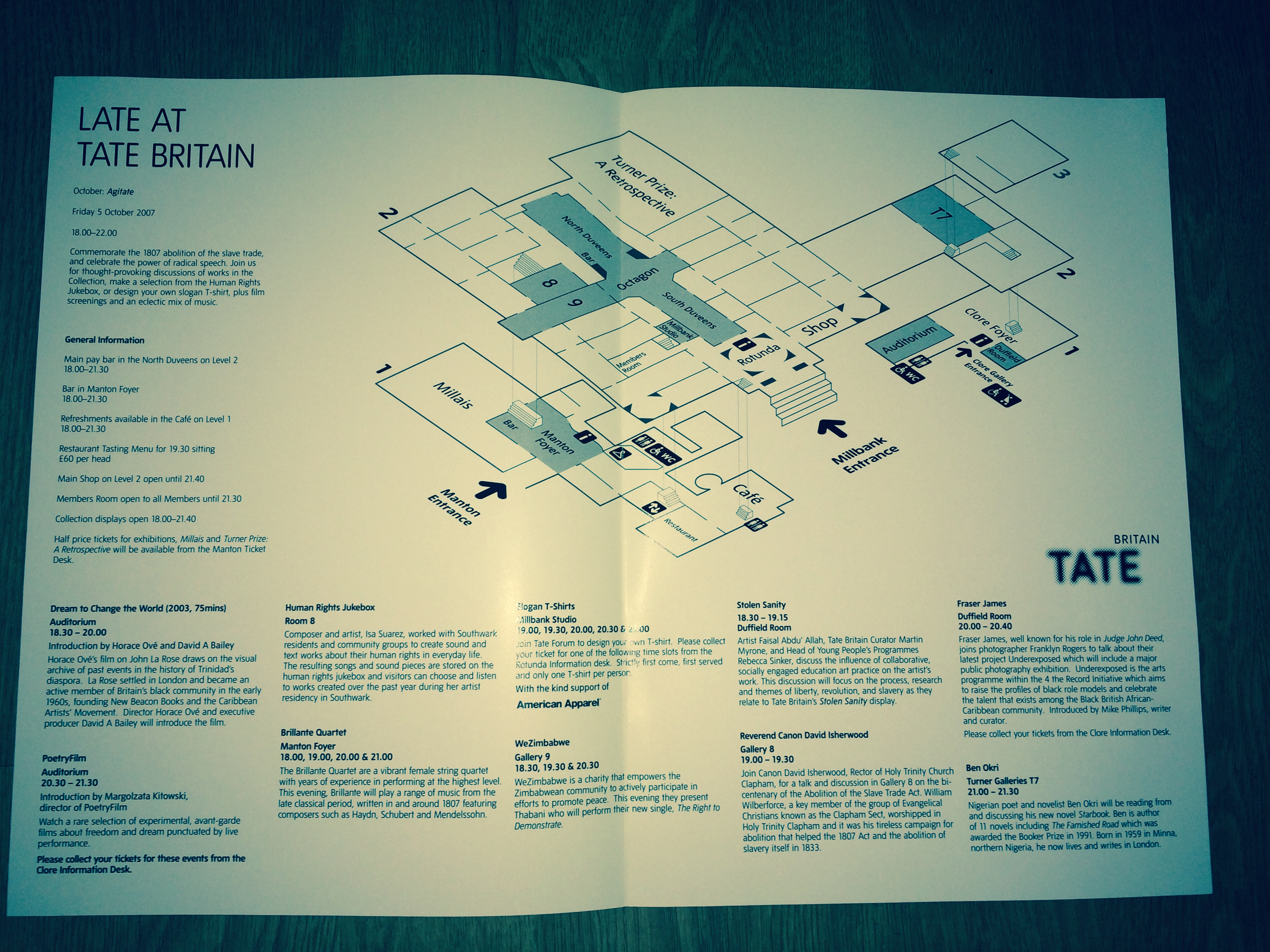
“PoetryFilm
Auditorium, 20:30 – 21:30
Introduction by Malgorzata Kitowski, director of PoetryFilm.
Watch a rare selection of experimental, avant-garde films about freedom and dream punctuated by live performance.”
The theme of the event was Freedom and Dream.

Click on the image to view the Southbank Centre’s Poetry International brochure.
PoetryFilm: Sounds of Love is on Saturday 19 July at 7:45pm.
PoetryFilm Blackboard is on Friday 18, Saturday 19 and Sunday 20 July between 12pm and 2pm.
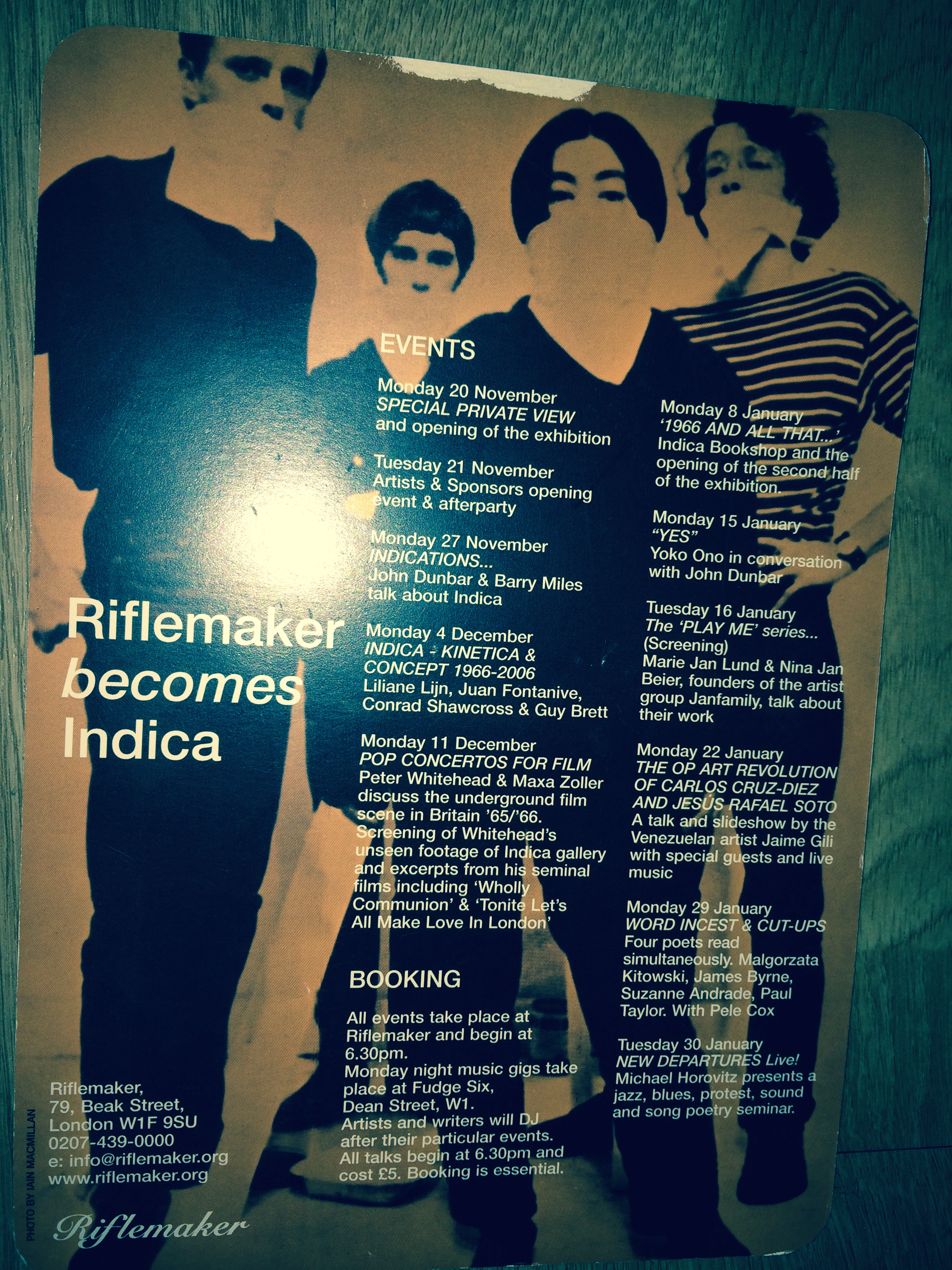
Malgorzata Kitowski participated in a “Word Incest” performance together with fellow poets as part of the Riflemaker Becomes Indica show at the Riflemaker Gallery in January 2007.
“Word Incest” is a poetry/art performance concept devised by Malgorzata Kitowski.
Word Incest, Monday 29 January
Four poets read simultaneously in an evening of cut-ups and word incest. Malgorzata Kitowski, James Byrne, Suzanne Andrade, Paul Taylor.
* * *
Indica, London’s first conceptual art space, the place where John Lennon and Yoko Ono met, and the hangout for the movers and shakers of mid-1960s London returns to the capital via Riflemaker, the former gun-shop in Soho, on 20 November 2006.
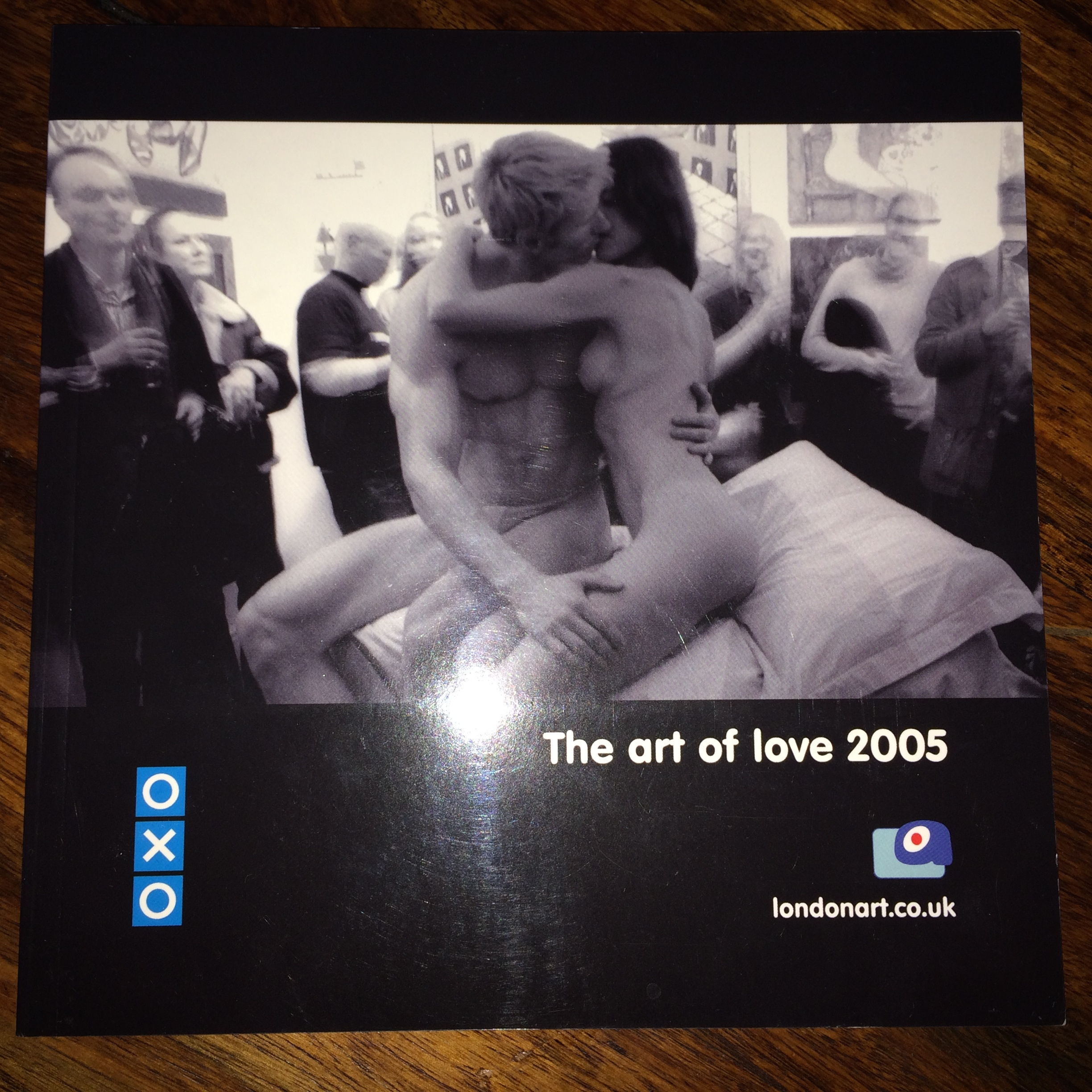
The Art of Love 2005
Londonart.co.uk invited visual artists, writers, poets and musicians to submit works on the theme of Love.
The poetry was selected by Andrew Motion, Poet Laureate at the time.
Zata’s poem Eye is featured in the book.
The event took place in the gallery@oxo and Bargehouse in the famous Oxo Tower Wharf.
The exhibition was open for a three week period, from the 10th to the 27th February 2005. During that time the exhibition received over 9000 visitors, and attracted national and international press coverage which included The Times, Time Out, The Guardian Guide and the BBC World Service. The exhibition also established sales with a number of private collectors and art dealers as well as generating private sales.
On the opening evening over 2500 visitors arrived. Jessica Michaels, Natalie Arnold and the Rubber Band performed songs live in the gallery. Poets Joan Michelson, Kirsten Harris and Jennifer Copley read out their poems to a packed-out audience. Rodin’s “The Kiss” sculpture was re-enacted.
Paul Wynter, Managing Director of Londonart.co.uk said, “What a wonderful reaction to love. The atmosphere of the opening night was perfect for the theme of Love. The response was simply phenomenal with the exhibition full to capacity with people enjoying the art, performances and poetry.”
Jun 20
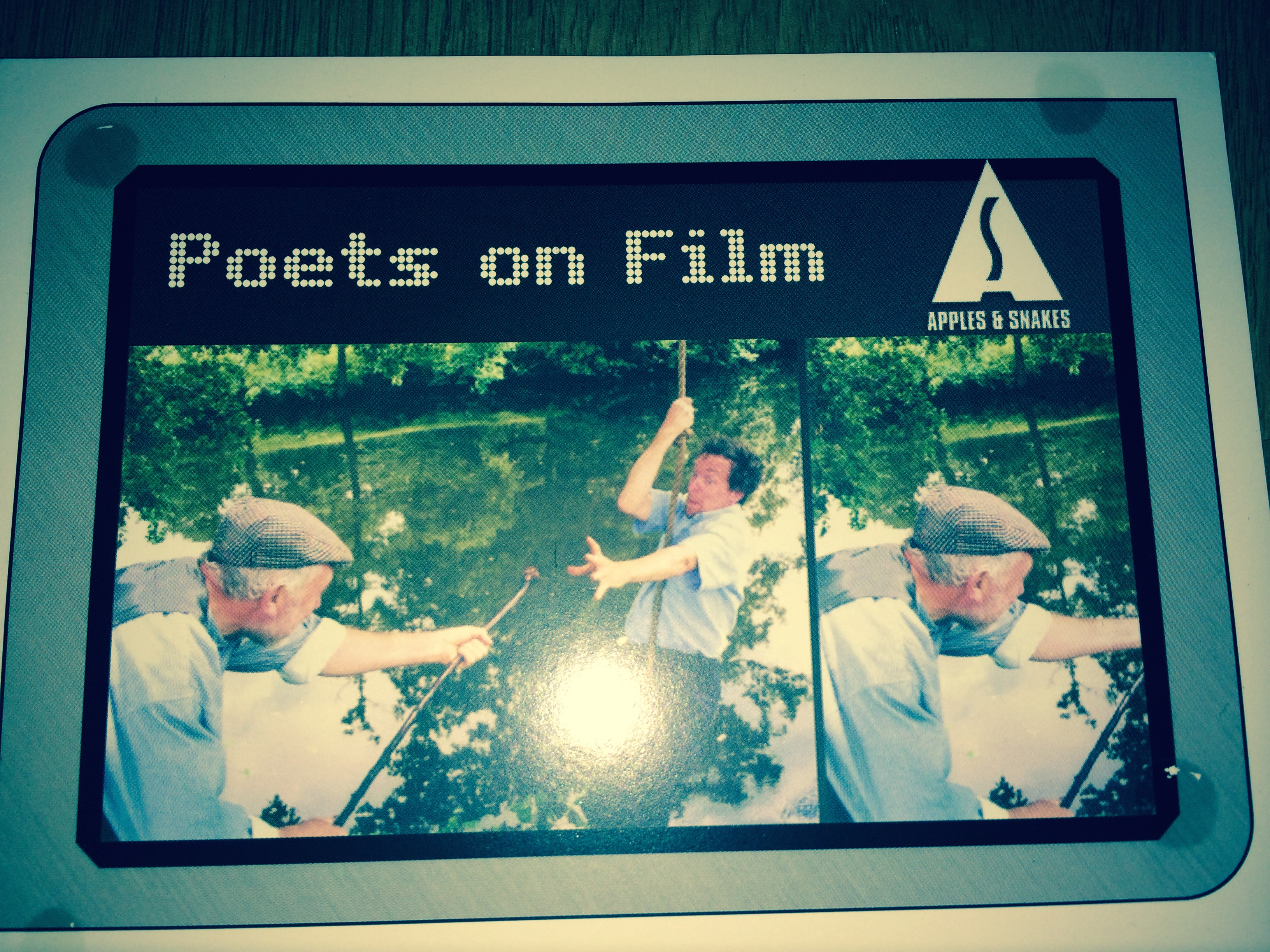
PoetryFilm partnered with Apples and Snakes, Battersea Arts Centre, and with Mark Gwynne Jones from the “PsychicBread” collective.
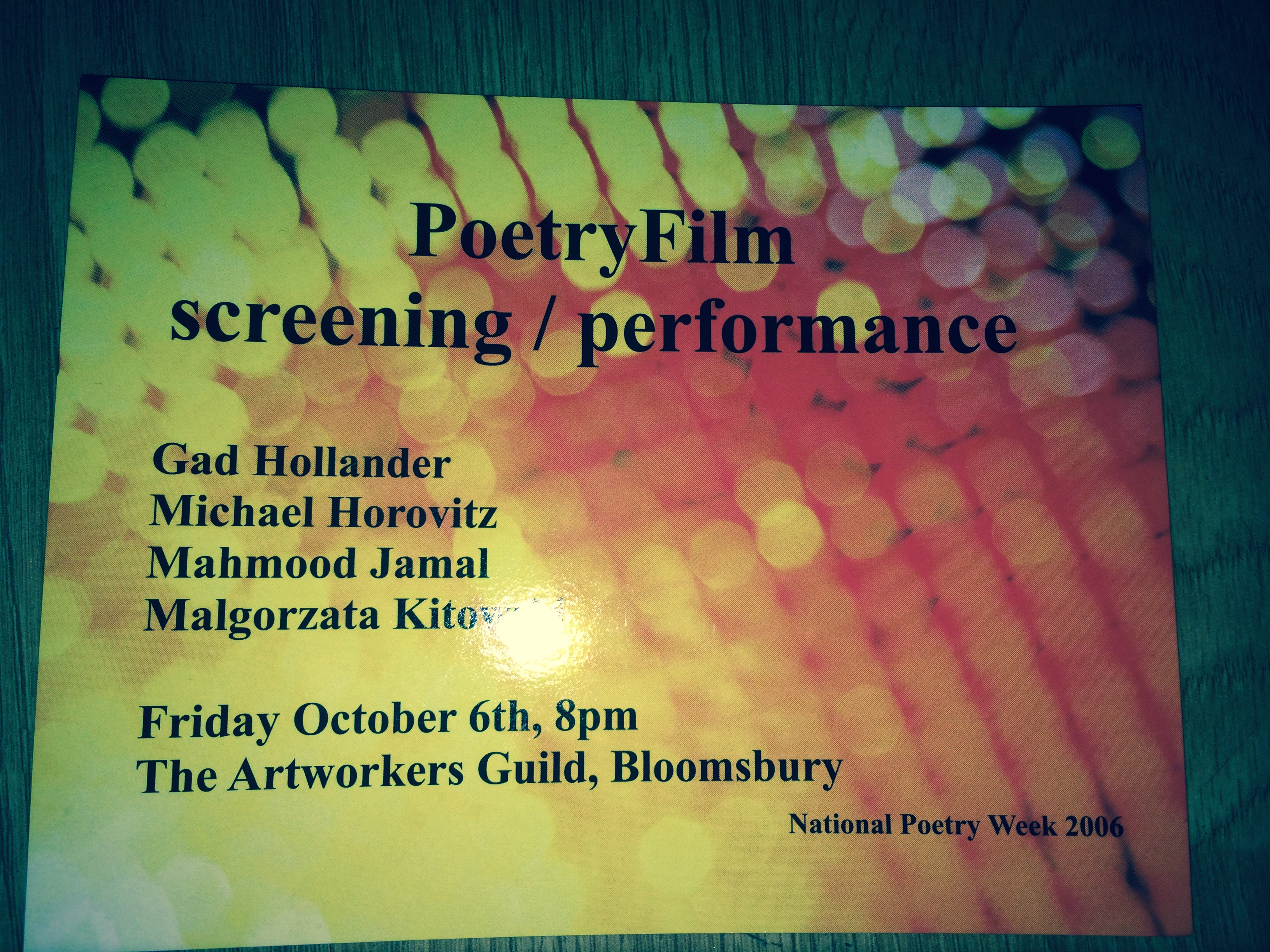
The event was part of National Poetry Day 2006 and the theme of the event was Identity.
The full programme details are available here.
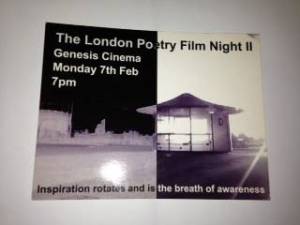
The event took place at the Genesis Cinema in London.
The design is a treated film still from Zata Kitowski’s poetry film “Full Stop” filmed in North Greenwich.
Below are the details of the full PoetryFilm programme presented at Laugharne Castle on June 7 and June 8:
An evening of sound-informed PoetryFilms and live performances celebrating sounds of love and love of sounds.
Conceived, curated and introduced by Malgorzata Kitowski.
Spirit Level at Royal Festival Hall.
July 19th, 7:45pm.
To book tickets, please click here.
The full programme is below.






















 PoetryFilm